First Time in Cusco? Essential Tips for Altitude Acclimatization and High-Altitude Treks
Worried about altitude sickness in Cusco? Discover essential local tips to acclimate properly, stay safe, and enjoy your high-altitude Peruvian trek.
Cusco sits at 3,399 m and Machu Picchu at 2,430 m, almost a thousand metres lower. Most people have it backwards: the citadel is not the hard part of the trip, the city you land in is. Ollantaytambo, in the Sacred Valley, is at 2,792 m, some 600 m below Cusco, which is why sleeping the first night down there is the single most useful thing you can do with your itinerary.
Three numbers from the CDC's travel guidance are worth having in mind. Acute acclimatisation takes 3 to 5 days. Above 2,750 m, sleeping elevation should not rise more than 500 m a day, with an extra day for every 1,000 m gained. And for the first 48 hours: only mild exercise, and no alcohol.
Read those against a normal Cusco week and the conflicts jump out. You land at 3,399 m after a flight, and the classic day trip to Rainbow Mountain tops out at 5,036 m: that is 1,600 m above where you sleep, on foot, and it is the excursion that sends most visitors back to the hotel with a headache. It belongs at the end of the week, not on day two.
Elevations: Cusco and Ollantaytambo from their official records, Machu Picchu from tuboleto.cultura.pe (2,430 m). Acclimatisation figures from the CDC Yellow Book chapter on high-elevation travel, checked on 24 September 2026. This is planning information, not medical advice: anything involving medication is a conversation with your doctor before you fly.
For international travelers planning to embark on legendary high-altitude adventures, such as the Salkantay Trek, the classic Inca Trail, or hiking toward the vibrant colors of Vinicunca, managing the altitude isn't just a matter of comfort; it is the most critical element of your trip's safety and success.
To ensure you spend your vacation enjoying panoramic glacier views rather than resting in a hotel room, this comprehensive guide offers essential, locally proven strategies to acclimate flawlessly and conquer your Andean treks with absolute confidence.
Understanding Altitude Sickness (Soroche)

Cusco sits at 3,400 m. Most people feel it on the first day. Photo: Andrew Carman, CC BY-SA 2.0
In Cusco, altitude sickness is locally known as soroche. It occurs because the atmospheric pressure drops at higher elevations, meaning there are fewer oxygen molecules per breath than at sea level.
Your body is highly adaptable, but it requires time to produce more red blood cells to transport oxygen efficiently. If you ascend too quickly, you might experience mild symptoms during your first 24 to 48 hours, including:
- A mild, persistent headache.
- Shortness of breath during basic walking.
- Mild dizziness or lightheadedness.
- Loss of appetite or slight nausea.
- Trouble sleeping or frequent waking at night.
Recognizing these symptoms early and knowing how to respond is the secret to a smooth, enjoyable vacation in Peru.
5 Golden Rules for Perfect Acclimatization
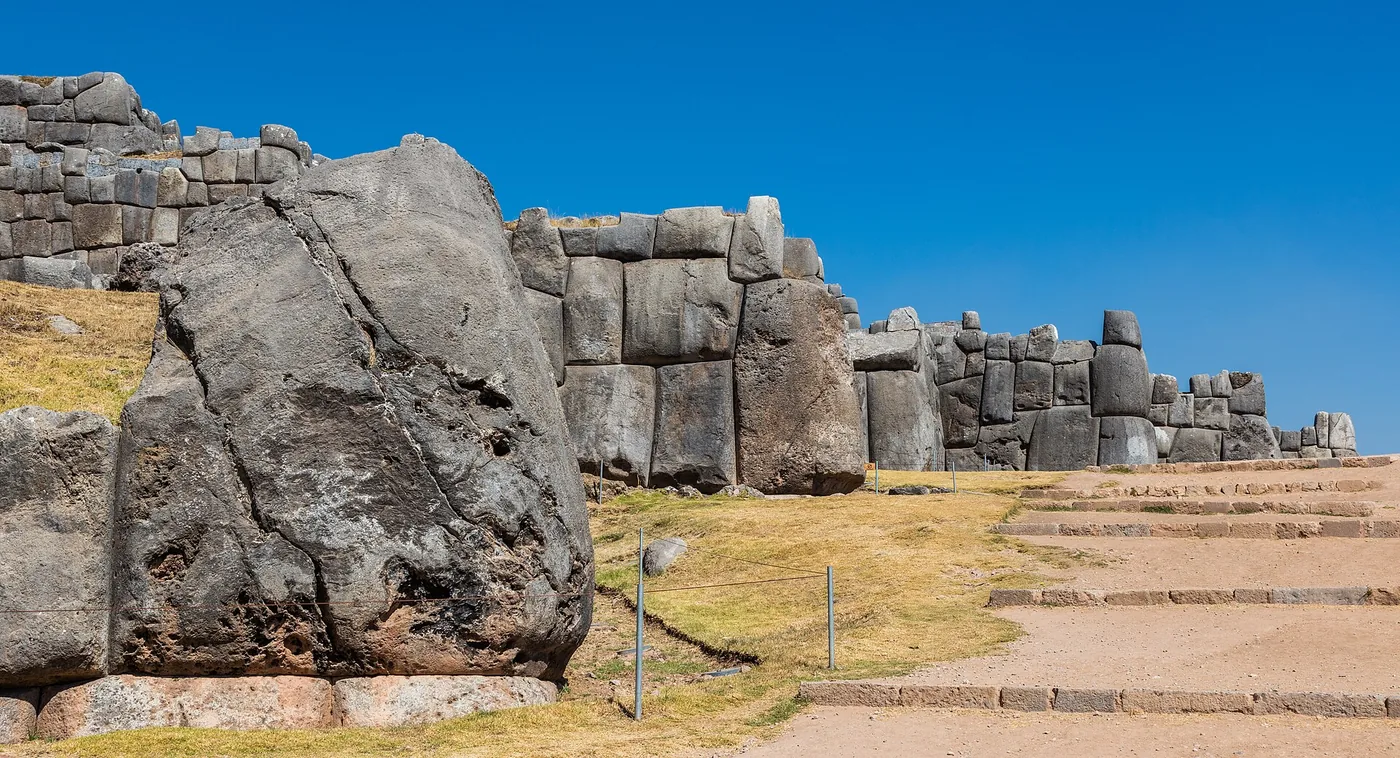
Sacsayhuamán, at 3,700 m, is a good first-day outing: short and close to town. Photo: Diego Delso, CC BY-SA 4.0
1. Schedule "Buffer Days" Before Your Trek
The absolute best medicine for high altitude is time. We strictly recommend scheduling at least 2 to 3 days of rest in Cusco or the Sacred Valley before starting any strenuous multi-day trek. Use these days for low-impact activities: stroll through the historic San Pedro Market, explore local colonial plazas, or book a relaxed driving tour through the lower elevations of the Sacred Valley.
2. Take It Easy on the First Day
When you arrive on day one, resist the urge to immediately hike up to local ruins or carry heavy daypacks. Head directly to your hotel, lay down for a few hours, and allow your resting heart rate to stabilize. Walk at half your usual speed, take deep breaths, and let your body adjust naturally.
3. Hydrate Constantly (And Skip the Alcohol)
The mountain air is incredibly dry, and your body will respire faster to take in oxygen, causing you to lose fluids rapidly. Drink between 3 to 4 liters of water daily. Crucially, avoid alcohol, heavy caffeine, and smoking during your first 48 hours, as they accelerate dehydration and exacerbate headache symptoms.
4. Eat Light, High-Carbohydrate Meals
At high altitudes, your digestive system slows down significantly because your body prioritizes sending oxygen-rich blood to your brain and muscles. Avoid heavy meats, fats, and large dinners on your first few nights. Instead, choose easily digestible, high-carbohydrate local grains like quinoa, light soups, and fresh vegetables.
5. Embrace the Local Traditions: Coca Tea
Upon checking into almost any hotel in Cusco, you will be offered a warm cup of Mate de Coca (Coca leaf tea). This ancient traditional remedy has been used in the Andes for thousands of years. Chewing the raw leaves or drinking the tea acts as a mild natural stimulant that safely expands blood vessels, enhances oxygen absorption, and helps alleviate mild soroche symptoms effectively.
High-Altitude Trekking Elevations At-A-Glance
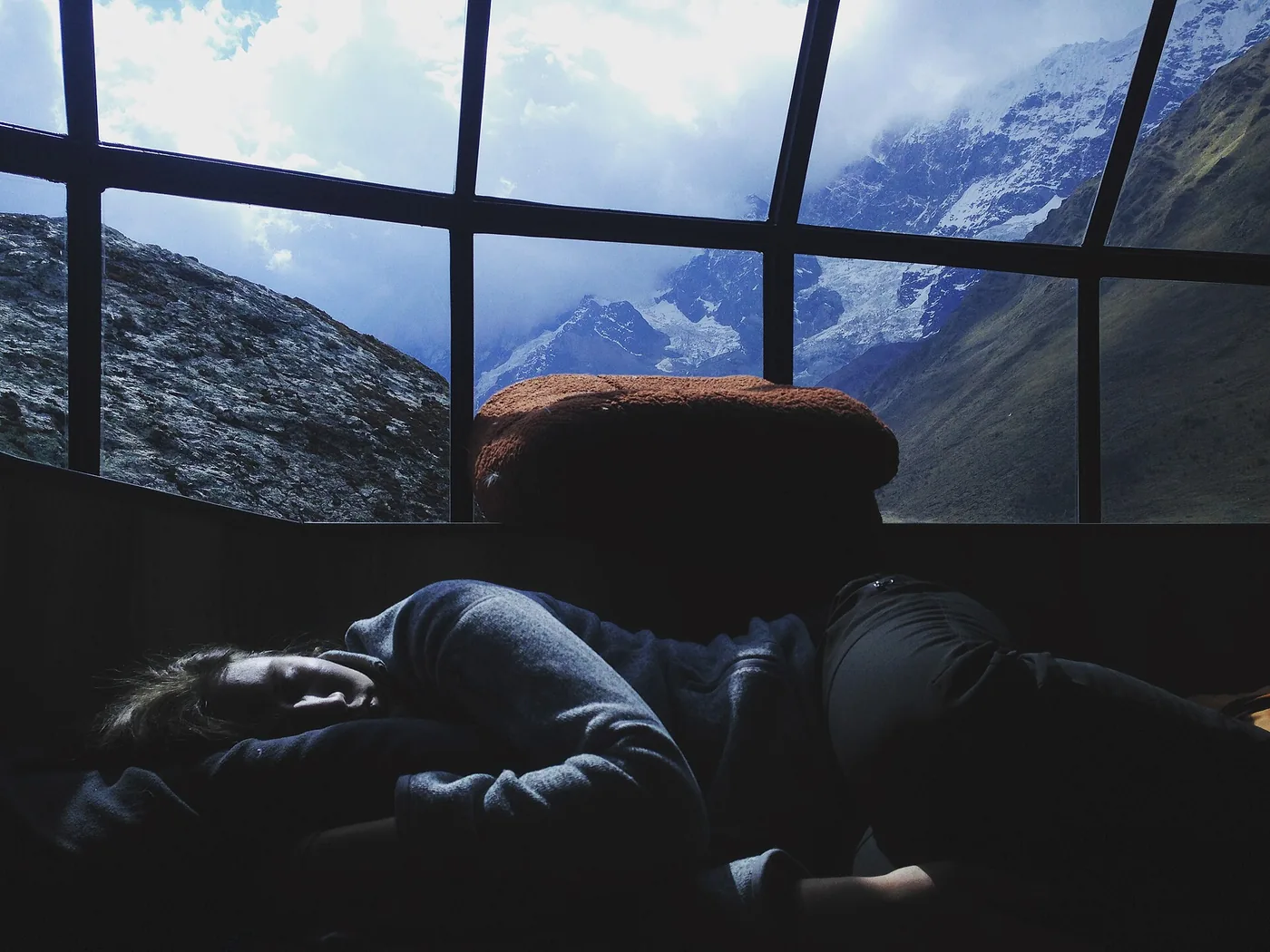
The Salkantay pass reaches 4,630 m. Without acclimatising first, it hurts. Photo: Maeghan Smulders, CC0
To help you prepare your travel itinerary and plan your physical training, here is a quick look at the maximum elevations you will encounter on Cusco’s most famous trekking routes:
| Destination / Trek | Maximum Elevation (Meters) | Maximum Elevation (Feet) | Acclimatization Priority |
|---|---|---|---|
| Machu Picchu Sanctuary | 2,430 m | 7,972 ft | Low (Lower than Cusco) |
| Cusco Historic City | 3,400 m | 11,152 ft | Base Station (Stay here first) |
| Classic Inca Trail Pass | 4,215 m | 13,828 ft | High (Requires 2+ days base) |
| Salkantay Trek Pass | 4,630 m | 15,190 ft | Very High (Requires 3 days base) |
| Rainbow Mountain (Vinicunca) | 5,036 m | 16,522 ft | Extreme (Save for the end of trip) |
Medical Options to Consider
If you are highly prone to motion sickness or want an extra layer of prevention, consider speaking with your travel physician before departing your home country regarding Acetazolamide (commonly known as Diamox). This prescription medication helps accelerate human acclimatization.
Alternatively, upon landing in Cusco, local pharmacies stock over-the-counter remedies like Sorojchi Pills, which combine aspirin and caffeine to successfully target mountain headaches and circulation. Most premium local tour agencies also carry emergency oxygen tanks in their transfer vehicles and trekking camp networks for total peace of mind.
Conclusion: Listen to Your Body
The most important tip any local guide will give you is simply to listen to your body. There is no award for racing up an Inca trail. Take slow, steady, rhythmic steps, use trekking poles to alleviate joint pressure, and communicate openly with your tour team if you begin to feel unwell. With the right pacing, proper hydration, and a professional team supporting your logistics, the altitude will simply become a memorable backdrop to the greatest adventure of your life.
Experience the Andes with a Trusted Local Operator
Your safety is our absolute number one priority. Our premium adventure packages include built-in acclimatization schedules, certified first-aid trained guides, and comprehensive field support.