Things to Do in Cusco: 10 That Are Worth It, and How Many Days You Need
Three days is the minimum. What to see in the city, what to leave until you have acclimatised, and how many days you need depending on what you want to include.
Three days is the minimum for Cusco itself, and five to six if you also want Machu Picchu. The city sits at 3,400 metres, so the first day should be light no matter how fit you are.
Here is what is actually worth doing, in the order that makes sense for your body.
Day one: stay in the city
Altitude is the single thing that ruins trips to Cusco. Landing and driving straight to a 5,200 m mountain is how people end up in a clinic. Keep the first day inside the city, walking slowly.

The Plaza de Armas is the obvious first stop and sits right in the centre. Photo: Andrew Carman, CC BY-SA 2.0
1. Plaza de Armas and the cathedral
The old Inca square, rebuilt by the Spanish on top of the original foundations. The cathedral holds a Last Supper painting where the meal on the table is a roast guinea pig. Free to sit in the square, ticketed to enter the cathedral.
2. Qorikancha
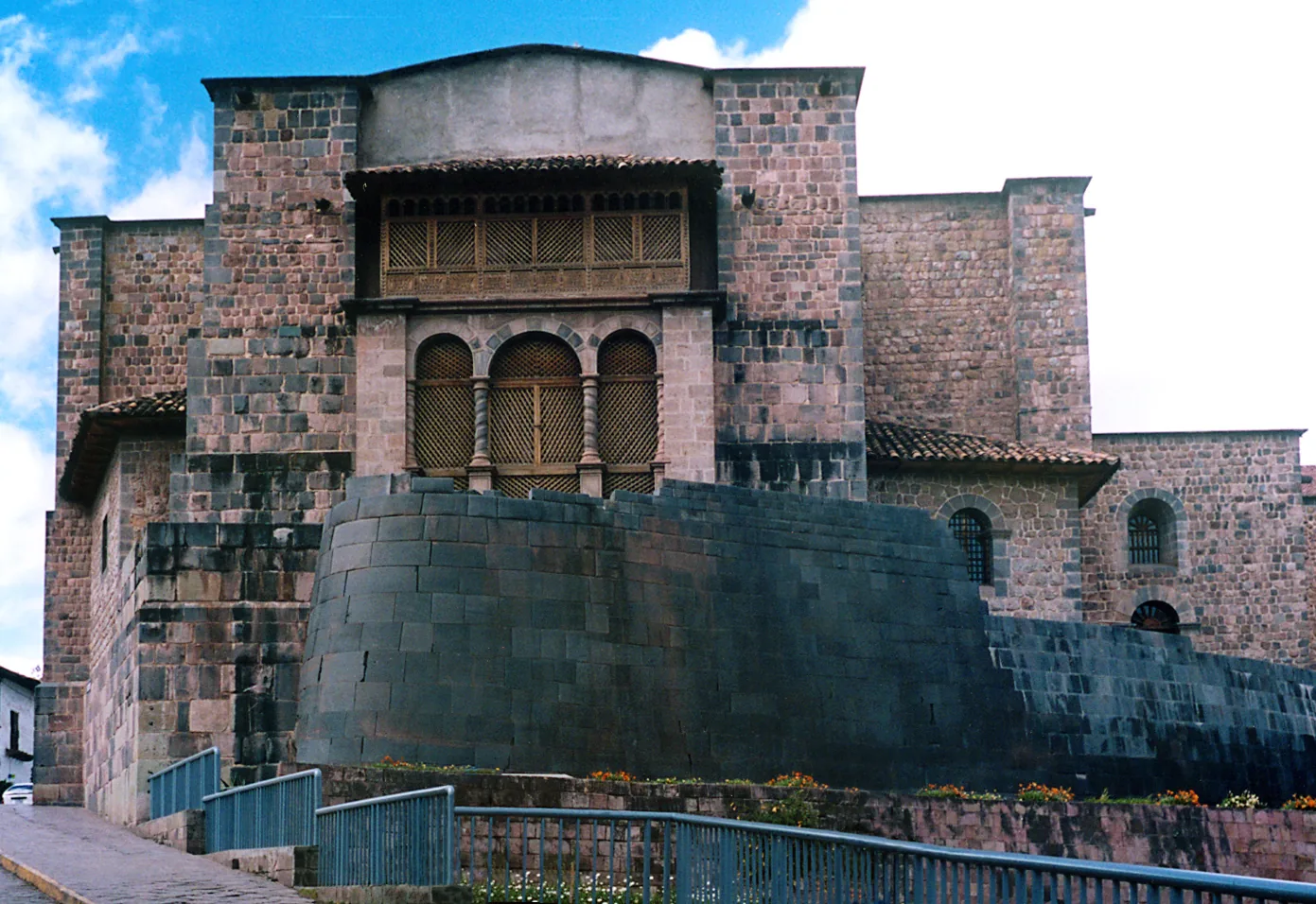
Qorikancha, the Inca sun temple, with the Santo Domingo convent built directly on top of it. Photo: Håkan Svensson, CC BY 2.5
The most important temple of the Inca empire, its walls once covered in gold sheets. The Spanish built a convent on top and left the Inca masonry exposed underneath. The contrast between the two is the point.
3. San Blas
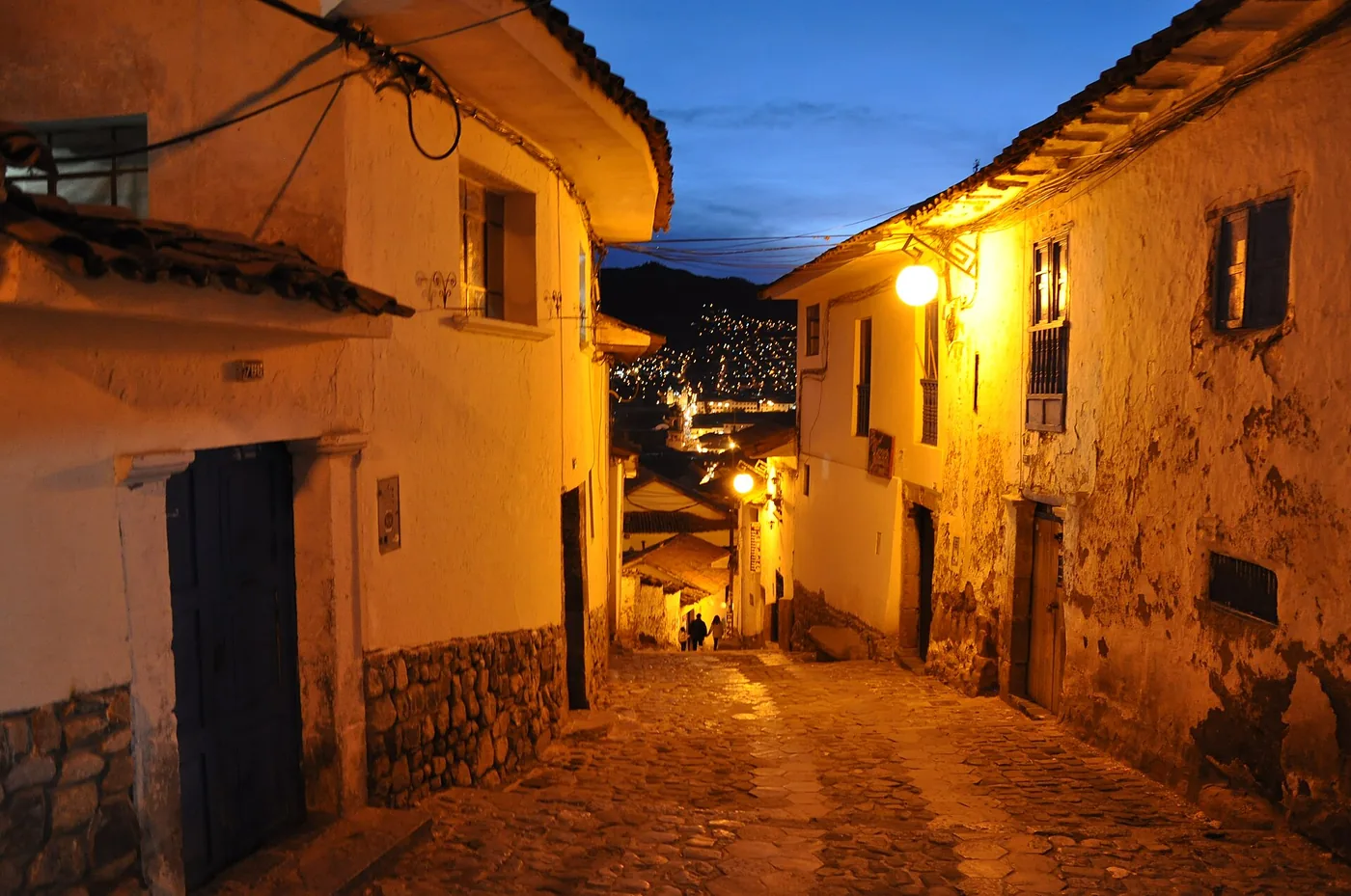
San Blas, uphill from the centre. Steep, so leave it for the afternoon of day one or later. Photo: Jorge Láscar, CC BY 2.0
The artisans' quarter, uphill from the plaza. Narrow cobbled streets, workshops, and the best views over the rooftops. It is a climb, so take it slowly.
4. San Pedro market
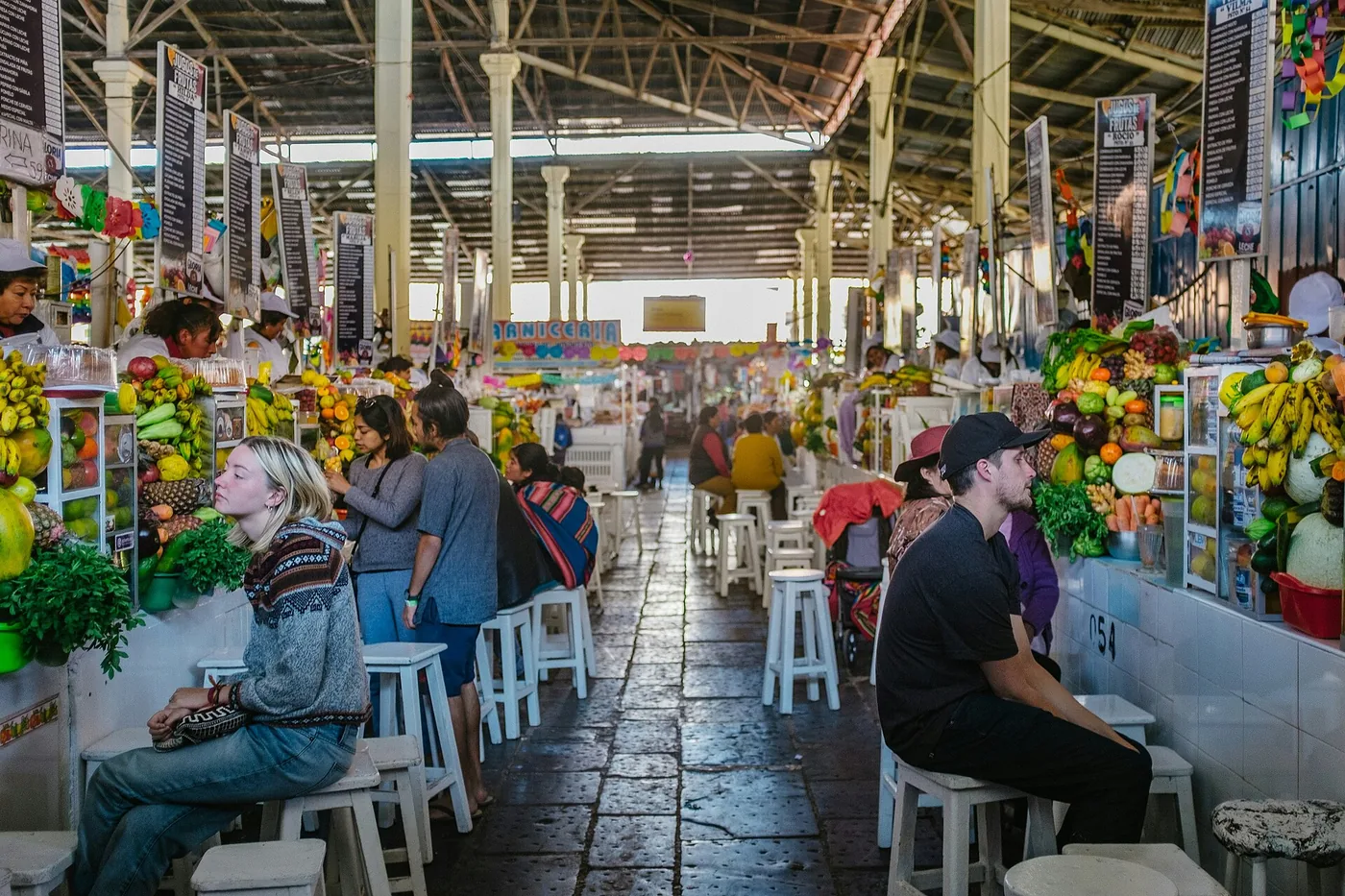
San Pedro market. Go before midday for the juice stalls. Photo: Ashim D'Silva, CC0
Where the city actually shops. Juice stalls, cheese, bread, fruit you will not recognise, and a food section where lunch costs a few soles. Go in the morning.
Day two: the ruins above the city
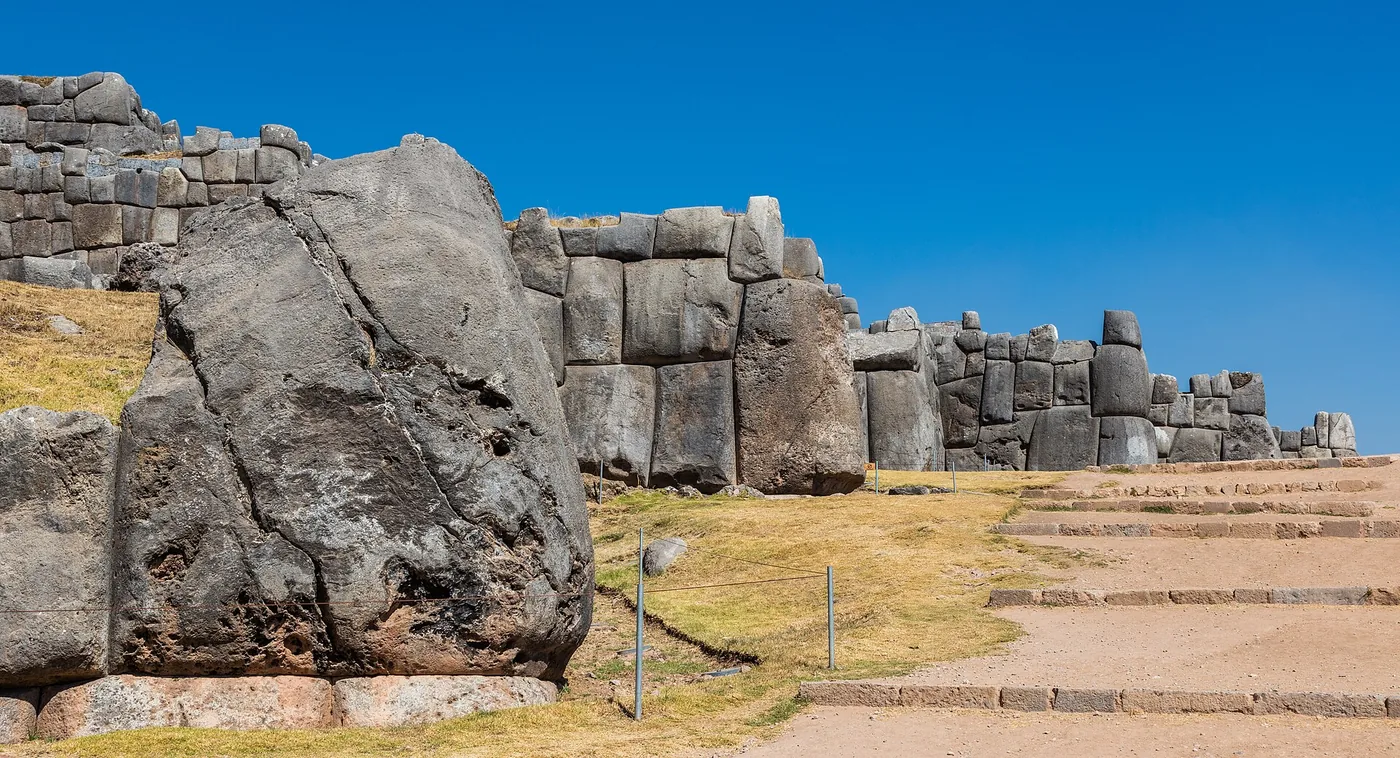
Sacsayhuamán, at 3,700 m. Some blocks weigh over 100 tonnes. Photo: Diego Delso, CC BY-SA 4.0
5. Sacsayhuamán, Q'enqo, Puka Pukara and Tambomachay
Four sites on the same road above the city, usually done together in an afternoon. Sacsayhuamán is the one people come for: enormous interlocking blocks, cut so precisely that a blade will not fit between them.
This is the standard Cusco city tour, half a day, and it doubles as gentle acclimatisation because you are at 3,700 m without walking far.
Day three onwards: out of the city
6. The Sacred Valley
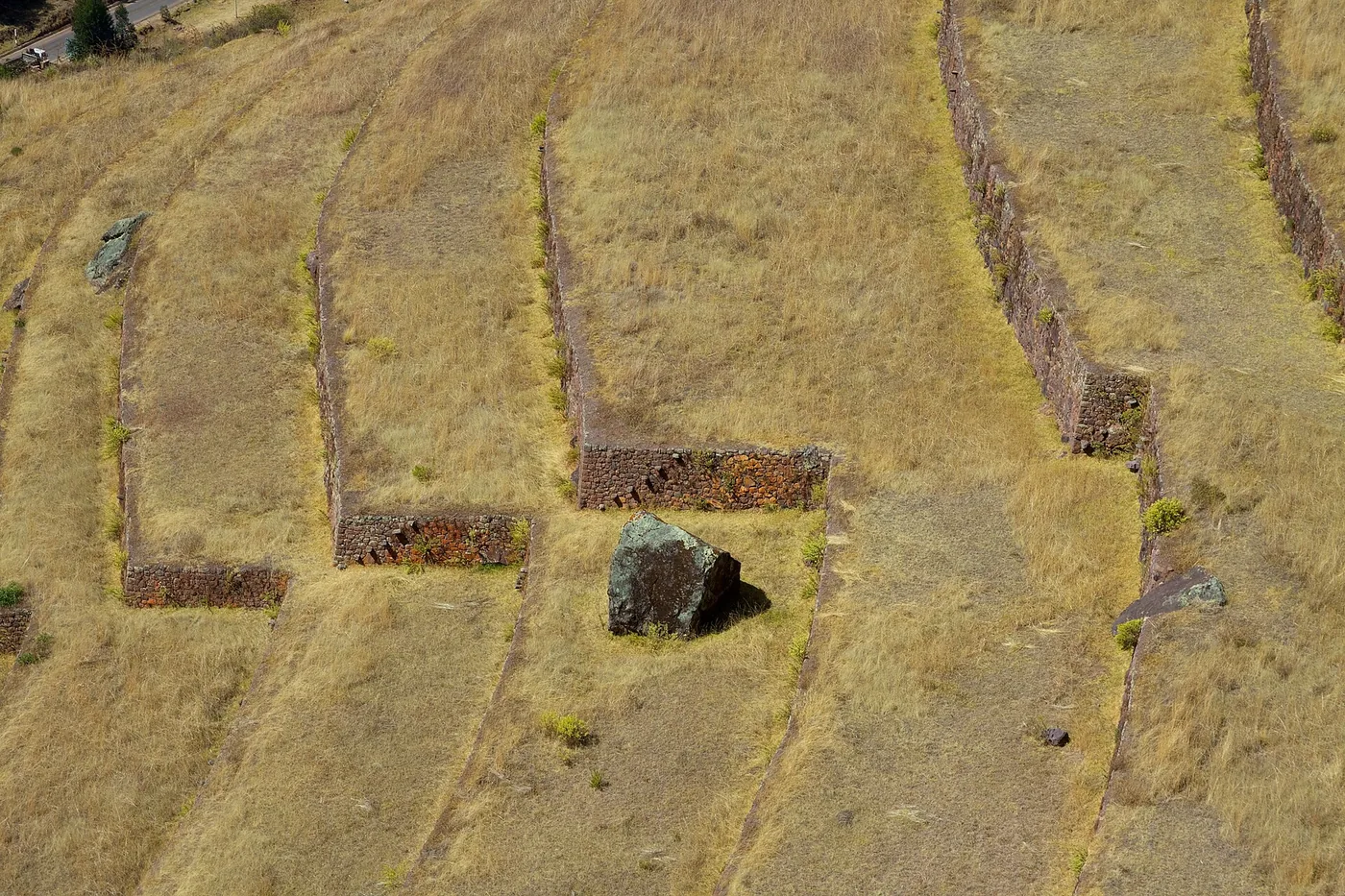
Pisac sits at 2,970 m, lower than Cusco, which makes it a good place to sleep while you acclimatise. Photo: McKay Savage, CC BY 2.0
Pisac, Ollantaytambo and Chinchero, plus the market and the terraces. The valley is lower than Cusco, so a night down there often helps people sleep better. Full day from the city. See the Sacred Valley tour.
7. Maras and Moray
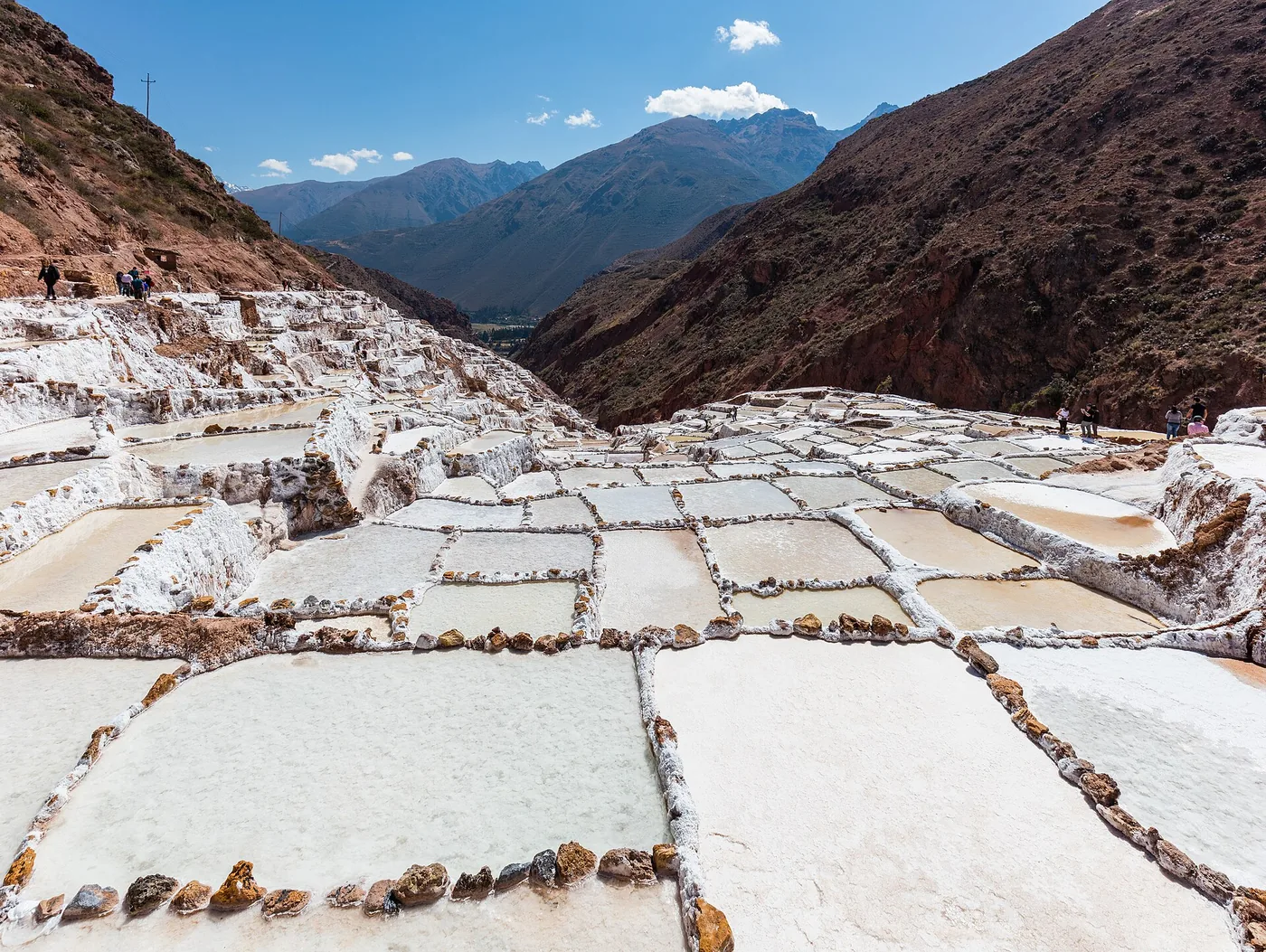
The Maras salt ponds have been worked since before the Incas and are still divided between local families. Photo: Diego Delso, CC BY-SA 4.0
Three thousand salt ponds cut into a hillside, still worked by hand, and the circular terraces of Moray a few kilometres away, which the Incas used to test crops at different altitudes. Half a day, often done by quad bike.
8. Rainbow Mountain
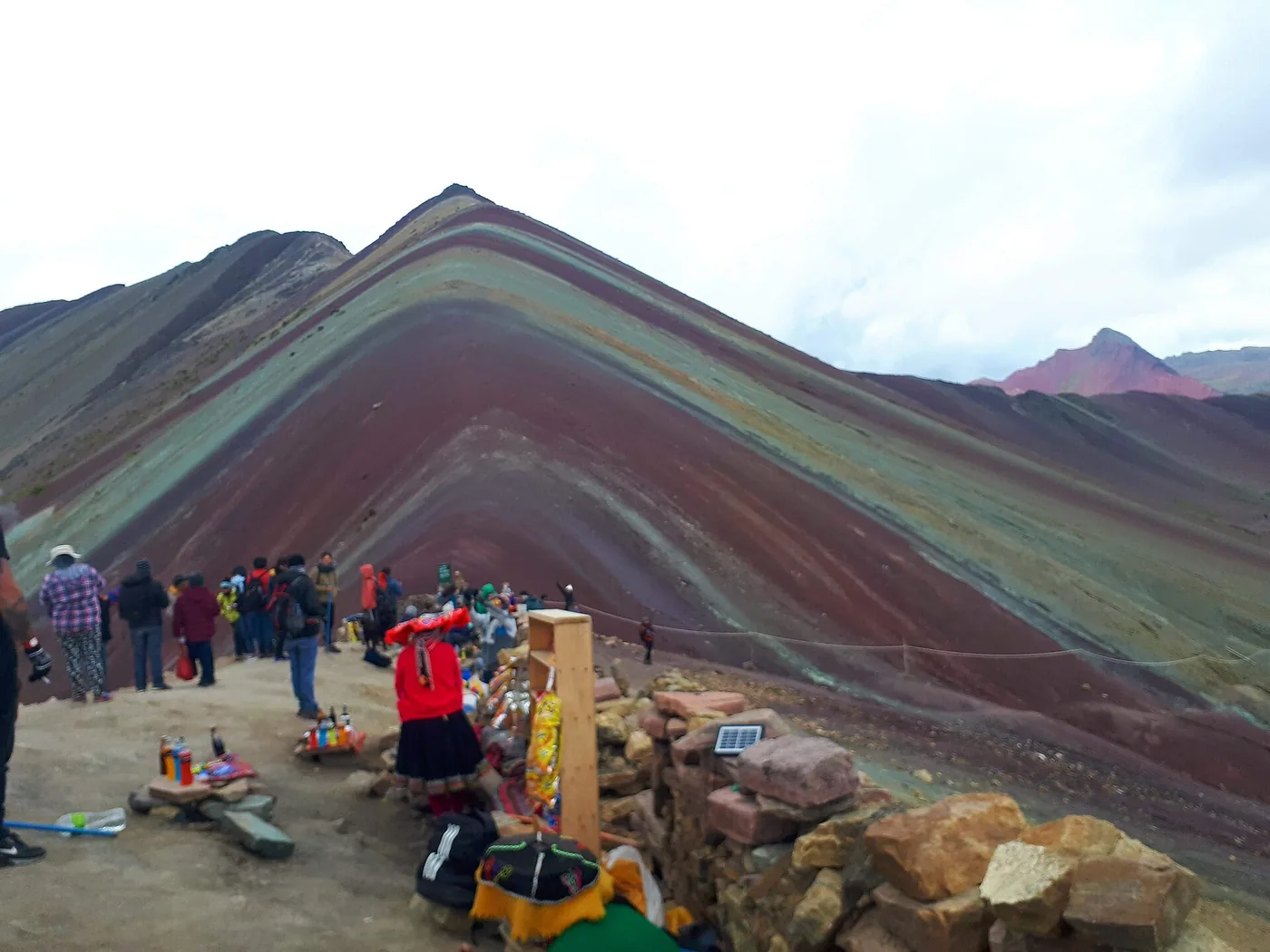
Vinicunca reaches 5,200 m. Leave it for day four or later. Photo: MareikeHeuer, CC0
Vinicunca, at 5,200 m, is the highest thing most visitors do. It is a long day: early start, three hours of driving, then an hour and a half of walking uphill in thin air. Worth it, but not on day two. Palcoyo is the gentler alternative. See Rainbow Mountain.
9. Humantay Lake
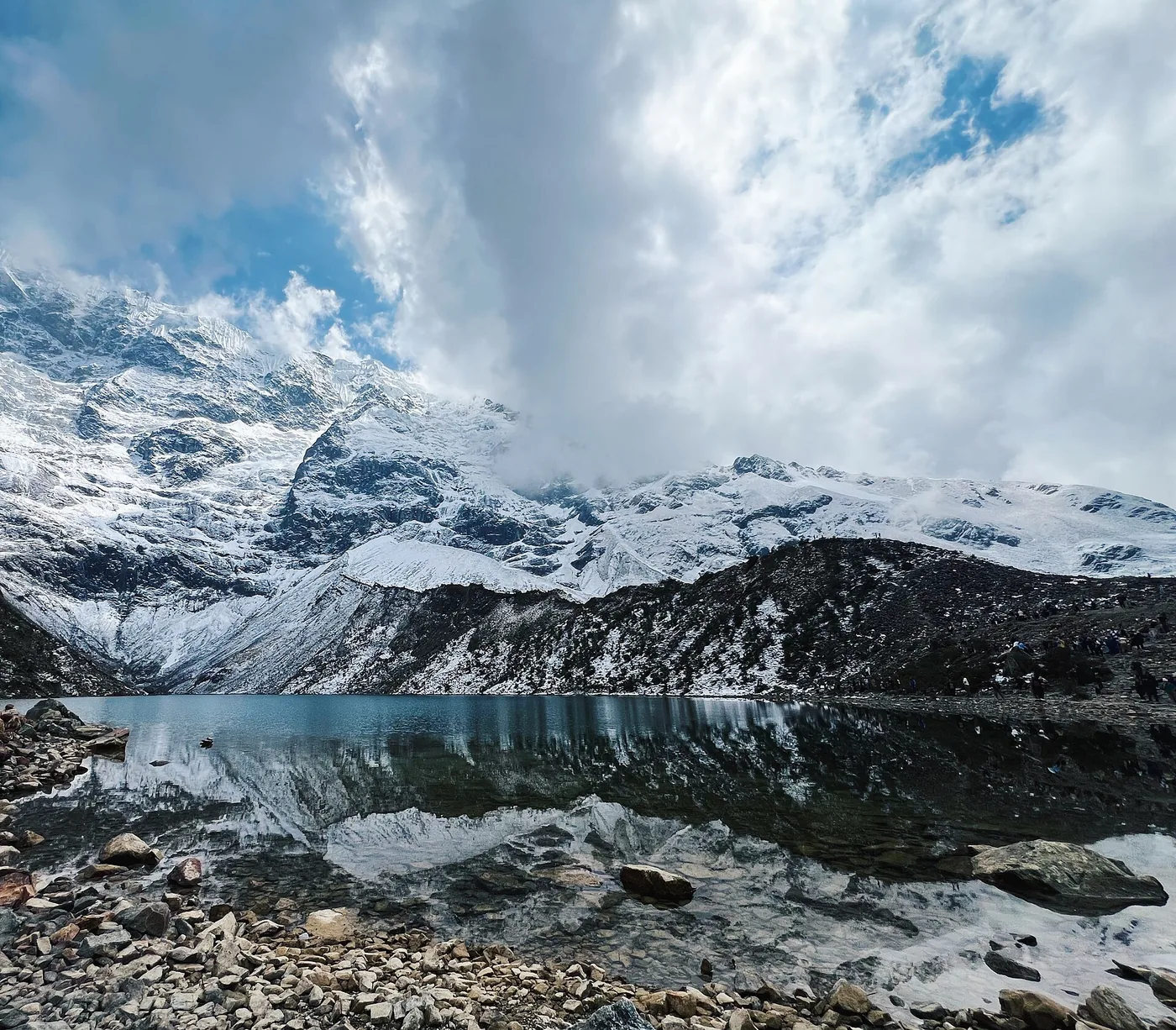
Humantay Lake, at 4,200 m, below the Salkantay glacier. Photo: Snow Writes, CC BY 4.0
A turquoise glacial lake at 4,200 m, reached by a steep ninety-minute climb from Soraypampa. Shorter than Rainbow Mountain and, for a lot of people, prettier. See Humantay Lake.
10. Machu Picchu
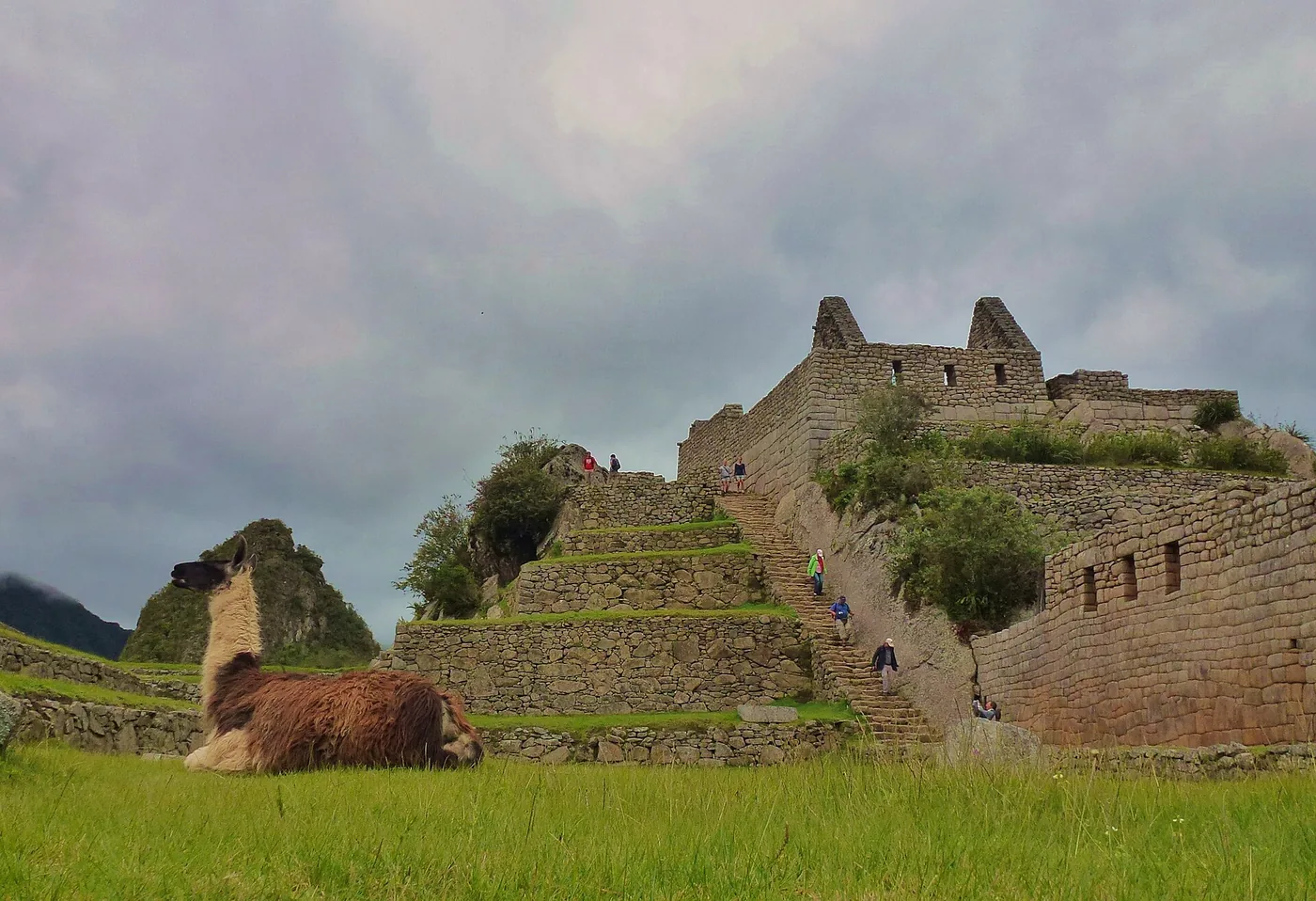
Machu Picchu is at 2,430 m, lower than Cusco. Photo: Pierre André Leclercq, CC BY-SA 4.0
The reason most people come. It can be done in one long day by train, or properly over two days with a night in Aguas Calientes. See the full day from Cusco.
How many days do you need in Cusco?
Three days covers the city, the ruins above it and the Sacred Valley.
Five to six days adds Machu Picchu without rushing.
Seven to eight days lets you add Rainbow Mountain or Humantay and still have a spare day, which matters because weather and altitude do not always cooperate.
Fewer than three days and you will spend most of your time acclimatising rather than seeing anything.
Frequently asked questions
How many days should I spend in Cusco? Three days minimum for the city and the Sacred Valley. Five to six if you include Machu Picchu.
What should I do on my first day in Cusco? Stay in the city and walk slowly. The Plaza de Armas, Qorikancha and San Blas are all within walking distance and none of them gains much altitude.
Is Cusco walkable? The historic centre is, but it is steep and at 3,400 m a gentle hill feels like a hard one. Taxis inside the centre are cheap.
What is the best time of year? May to September is dry and cold at night. November to March is green and wet. April and October are the quiet months in between.
Do I need to book tours in advance? For Machu Picchu and the Inca Trail, yes, months ahead. For city tours, the Sacred Valley, Rainbow Mountain and Humantay, a day or two is usually enough outside the high season.
Is Rainbow Mountain worth it? Yes, if you have acclimatised. It is 5,200 m and a long day. If the altitude worries you, Palcoyo gives similar colours with a much easier walk.