Is Peru Safe for Tourists? An Honest Answer from Cusco
Yes, for the routes most visitors take. The real risks are altitude, road travel and opportunistic theft, not what the headlines suggest. What to actually watch for.
Yes, Peru is safe for the routes most visitors take. Cusco, the Sacred Valley and Machu Picchu see millions of travellers a year and serious incidents involving tourists are rare.
That is not the same as saying nothing can go wrong. The risks that actually affect visitors are, in order: altitude, road travel, and opportunistic theft. Violent crime against tourists is far down the list, well below what headlines about Peru suggest.
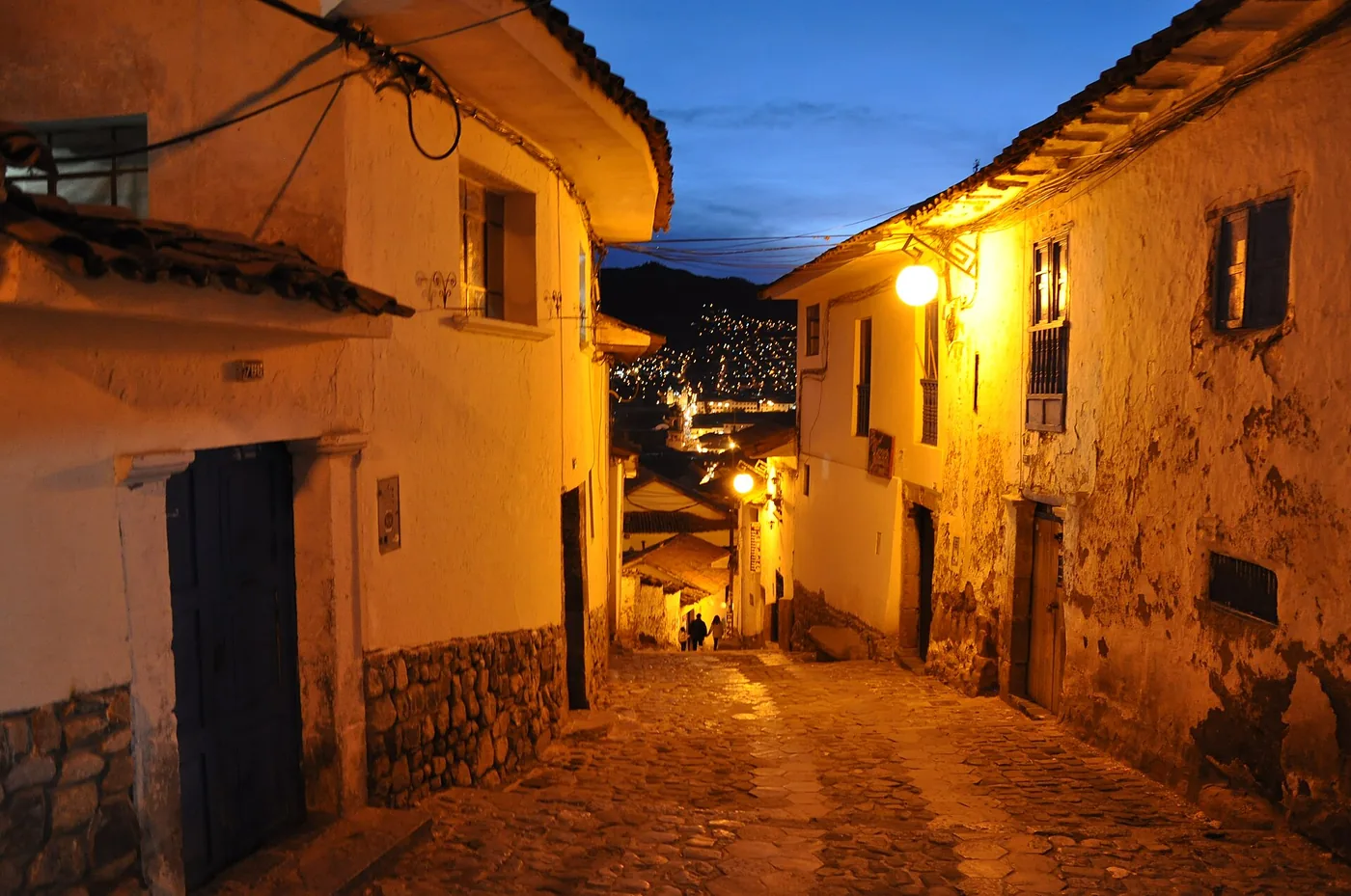
Cusco's historic centre at dusk. Busy, well lit and heavily policed. Photo: Jorge Láscar, CC BY 2.0
The real risk: altitude
More trips are ruined by altitude than by crime, and it is not close. Cusco is at 3,400 m and Rainbow Mountain reaches 5,200 m. Landing in Cusco and heading straight up is how people end up on oxygen.
The rule is simple: the first day stays in the city, and the high days go at the end. See our guide on altitude and acclimatisation in Cusco.
The second risk: roads
Mountain roads, long transfers and night driving are a real hazard in Peru. This is where choosing an operator matters more than anything else on this page. Ask who drives, what vehicle, and whether the transfer is overnight.
The third risk: opportunistic theft
Phones, wallets and day packs in crowded places: San Pedro market, the bus terminals, the Plaza de Armas at night, and crowded trains. It is theft of opportunity, not confrontation.
What actually works:
- Carry the day's cash, leave the rest in the hotel safe
- Bag in front in crowded places, never on a chair back
- Official taxis or an app, not a car that offers you a ride
- Photograph your passport and keep a copy separately
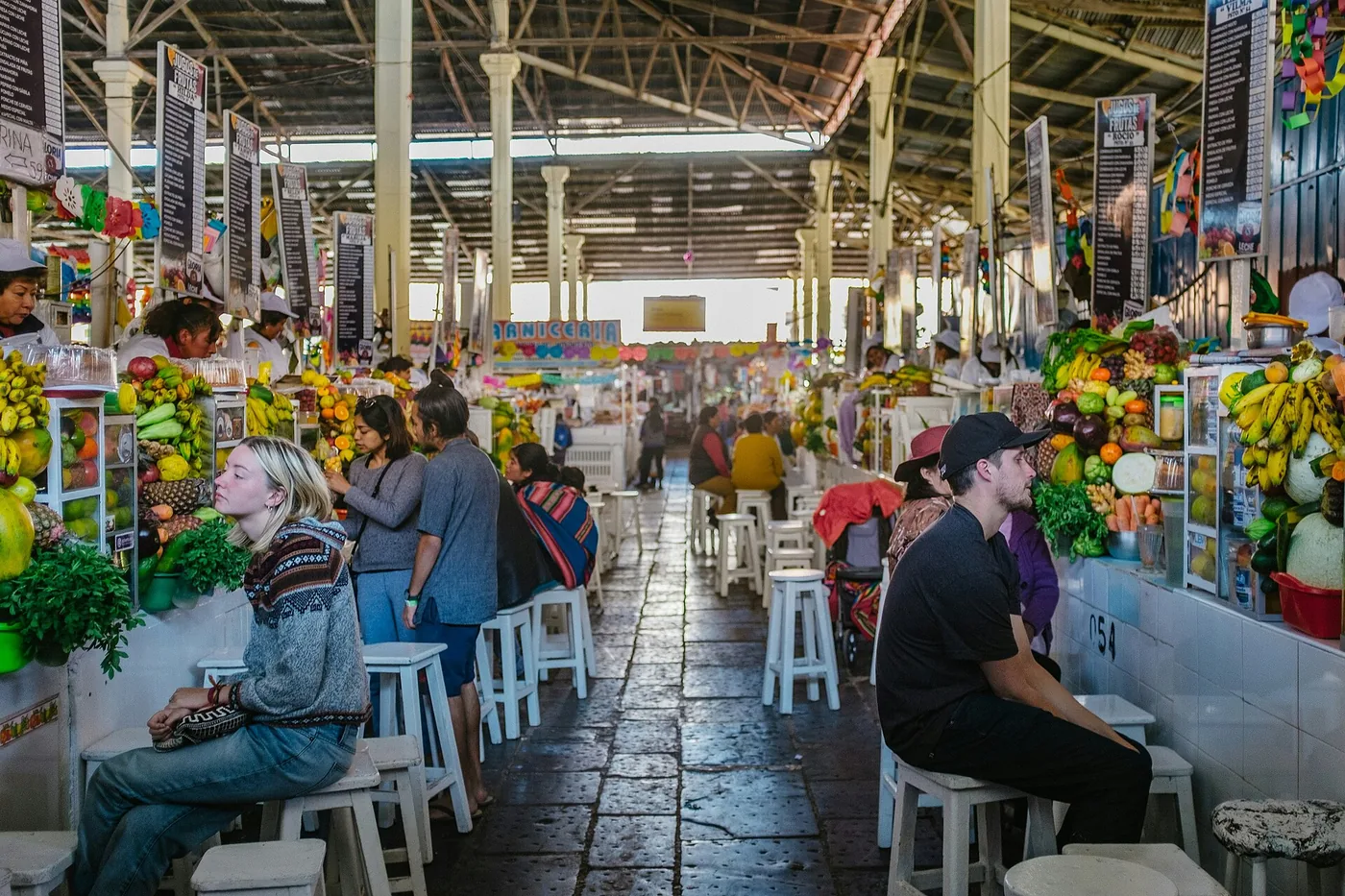
San Pedro market is worth visiting and is the classic spot to keep your bag in front of you. Photo: Ashim D'Silva, CC0
What to be sensibly careful about
Unlicensed operators. Anyone selling you an Inca Trail permit directly is not selling you a real permit: only agencies registered with the Ministry of Culture can book them.
Money. Change money in casas de cambio, not on the street. Check notes.
Drinks. Standard advice anywhere: watch your own.
Coca. Coca tea and leaves are legal and normal in Peru. Do not take them home; they are illegal in most countries.
Protests. Peru has periodic road blockades linked to national politics. They are announced, they affect roads rather than visitors directly, and a local operator will know days ahead. This is the single strongest argument for booking with someone based in Cusco rather than abroad.
Is Cusco safe at night?
The historic centre is busy and well policed until late. San Blas and the streets around the Plaza de Armas are fine on foot. Take a taxi rather than walking back to a distant neighbourhood, the same as in any city.
Solo travellers
Cusco is one of the easier places in South America to travel alone, including for women. Group day tours make it straightforward to meet people, and the trekking routes are never empty in the dry season.
Frequently asked questions
Is Peru safe for tourists? Yes, on the usual routes. Altitude, roads and petty theft are the real risks; violent crime against tourists is rare.
Is Cusco safe at night? In the historic centre, yes. Use taxis to reach outlying neighbourhoods.
Is Machu Picchu safe? Yes. The site is controlled, ticketed by name and staffed. The main hazards are steep steps and sun.
Is it safe for solo female travellers? Cusco is among the easier cities in South America for it. Normal precautions apply.
What about protests and road blockades? They happen periodically and are usually announced in advance. A Cusco-based operator will know and reroute. This matters more than any other safety consideration.
Can I drink the tap water? No. Bottled or filtered water, and that includes ice.