Peru Packing List 2026: What to Bring, and the Luggage Limits Nobody Mentions
Three published rules decide the size of your bag before you pick a single garment: the train, the Machu Picchu gate and the porters. The full list by region, the layer system, and what the sanctuary will not let through.
Most packing lists for Peru tell you to bring layers. True, and not very useful. What almost nobody tells you is that three published rules decide the size of your bag before you choose a single piece of clothing.
Your train to Machu Picchu allows one backpack of up to 8 kg and 100 linear cm, or one carry-on of up to 12 kg and 115 linear cm. Machu Picchu itself refuses entry to any bag larger than 40 x 35 x 20 cm. And if you are trekking, the duffel the porters carry has a weight limit set by your operator, typically between 5 and 7 kg including your sleeping bag.
So the real question is not what to bring. It is what fits.
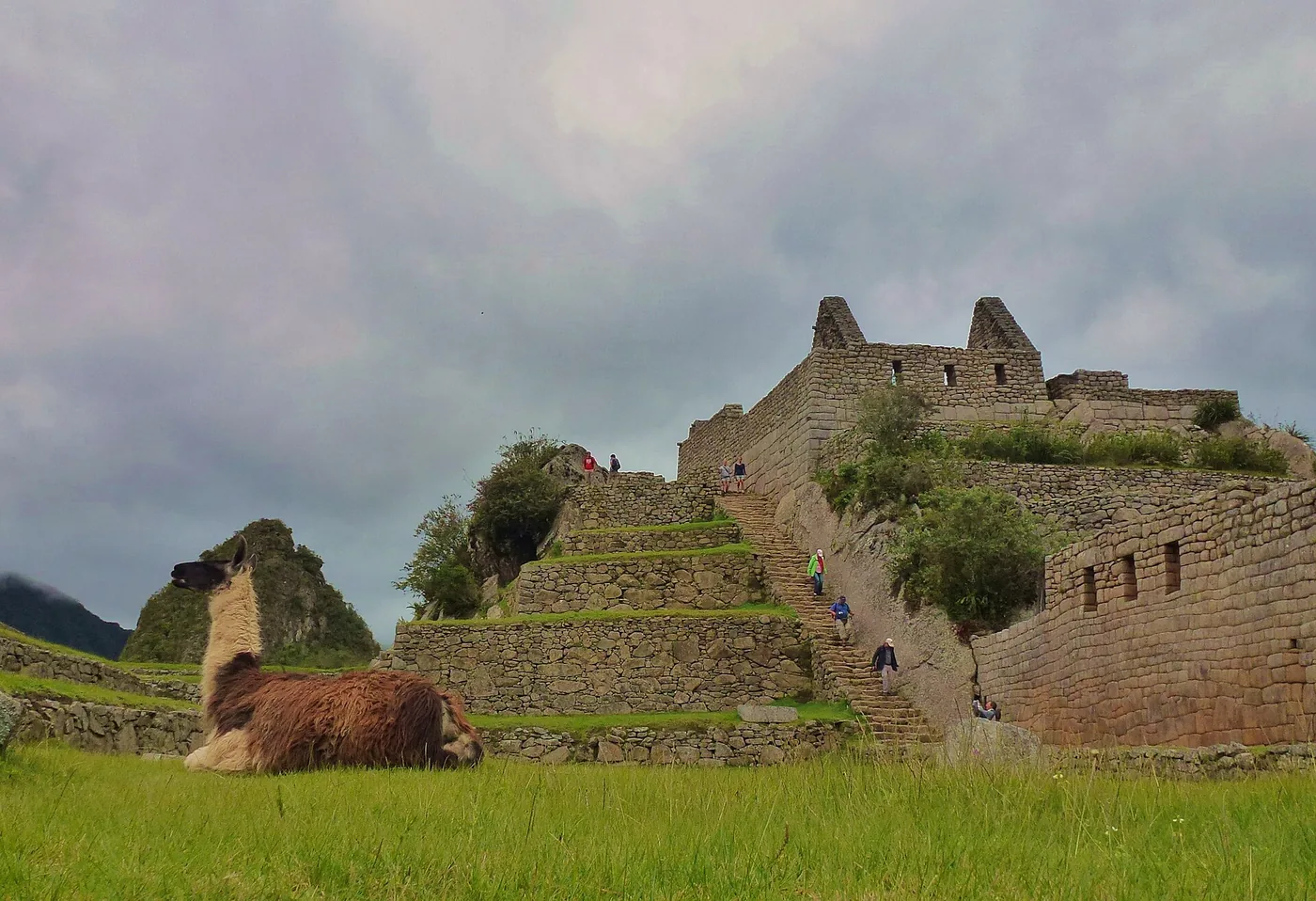
You will carry everything you bring up those terraces yourself. That is the argument for packing light.
The three numbers that decide your bag
| Limit | The rule | Where it applies |
|---|---|---|
| 8 kg / 100 cm | One backpack per passenger, height + length + width under 100 cm | PeruRail trains to Machu Picchu. A carry-on bag is allowed instead: 12 kg and 115 cm |
| 40 x 35 x 20 cm | Maximum bag size allowed through the gate | Inside the Machu Picchu citadel |
| 5 to 7 kg | Duffel carried by porters, sleeping bag included | Inca Trail, Salkantay and most multi-day treks |
Two consequences follow. First, your big suitcase does not go to Machu Picchu. It stays in your Cusco hotel, or in the free storage that PeruRail operates at Ollantaytambo station and at Machu Picchu station. Second, the daypack you take through the gate has to be small. A 20 to 30 litre pack fits. A 45 litre pack does not.
The layer system, and why Cusco forces it
Cusco sits at 3,400 m. In the dry season the city reaches about 19 °C at midday and drops to around 0 °C at night, in the same twenty-four hours. There is no single garment that handles a twenty degree swing. There is only taking things off and putting them back on.
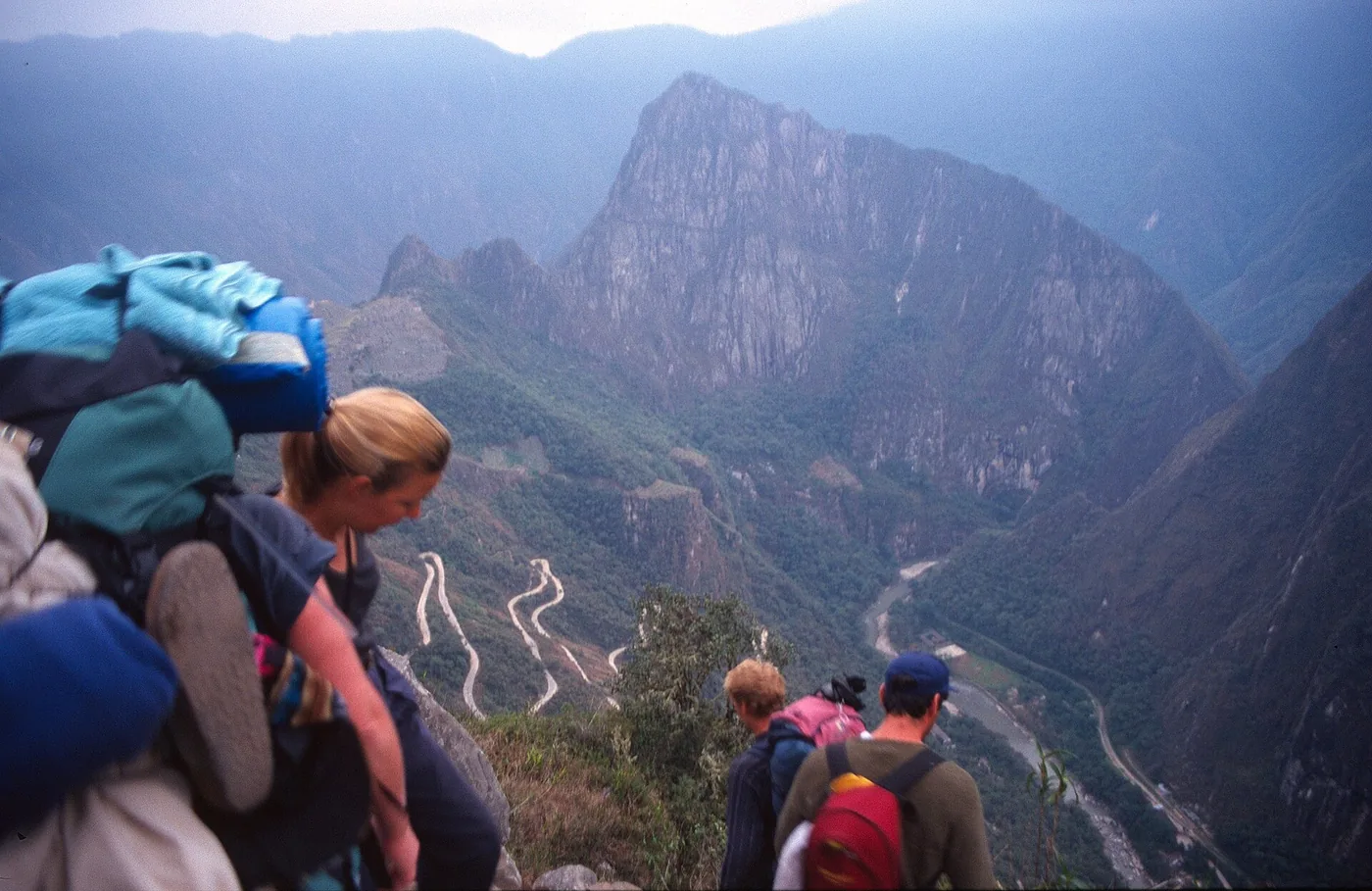
Three thin layers beat one thick coat, because you can remove two of them at midday.
Base layer. Merino wool or synthetic, against the skin. Two is enough for two weeks, because merino can be worn several days without smelling. Cotton is the one fabric to avoid: it holds sweat, and wet cotton at 4,000 m makes you cold fast.
Mid layer. Fleece or a light down jacket. This is the layer you will use most, every evening in Cusco and every morning on a mountain.
Outer layer. Windproof and waterproof, with a hood. In the dry season you may never open it. In the rainy season, from November to March, you will wear it daily.
The mistake we see most often is a single heavy parka. It is too warm for the walking, too bulky for the daypack, and useless when you actually need to shed a layer on an uphill.
The list
Documents and money
- Passport, the same one used to book the Machu Picchu ticket and the train. The name and number are checked at the gate and must match exactly
- Printed and digital copies of the entrance ticket, train tickets and insurance
- Travel insurance that covers altitude and trekking, if you are doing a trek
- Cash in soles for markets, small restaurants and tips. Cards work in cities, less so on the road
- A card that does not charge foreign transaction fees
Clothing for Cusco and the Andes
- 2 base layers, merino or synthetic
- 1 fleece or light down jacket
- 1 windproof and waterproof jacket with hood
- 2 trekking trousers, one of them convertible if you like them
- Underwear and socks, wool or synthetic, one pair per day up to five, then wash
- Warm hat and gloves for the early mornings above 4,000 m
- Broken-in walking shoes or boots. New boots on the Inca Trail is a decision you regret on day two
- Sandals or light shoes for the evening
- Swimsuit, for the hot springs and the Amazon
Sun
At 3,400 m the ultraviolet index is high even when the day feels cool, and the Peruvian highlands regularly record extreme UV readings.
- Sunscreen, factor 50 or higher
- Wide-brimmed hat, better than a cap because it covers the neck and ears
- Sunglasses with real UV protection
- Lip balm with sun protection. Cracked lips are the most common small complaint we hear
Health and comfort
- Any personal medication, in its original packaging, with the prescription
- Reusable water bottle. Tap water is not drinkable, but hotels and buses refill
- Basic first aid: blister plasters, painkillers, rehydration salts
- Hand sanitiser and a small pack of tissues, because not every toilet on the road is stocked
- Earplugs. Cusco is a lively city at night
Useful and small
- Head torch, for pre-dawn starts and for lodges with limited power
- Power bank. Cold drains phone batteries quickly at altitude
- Plug adapter. Peru uses types A and C, 220 V, 60 Hz
- Dry bag or a few zip bags, to keep documents and electronics dry
- A soft daypack of 20 to 30 litres that folds into your main bag
What Machu Picchu will not let you through the gate with
This part surprises people at the entrance, so it is worth reading before you pack.
The official code of conduct prohibits entering with umbrellas, walking sticks, portable chairs, tripods, monopods, selfie sticks and other camera stabilising accessories. Drone flights over the sanctuary are also prohibited. Bags over 40 x 35 x 20 cm are refused. Entering with a prohibited object can mean immediate expulsion without a refund.
If you use trekking poles for balance, plan for them not to come inside the citadel, and check with the site in advance if you need a walking aid for mobility reasons.
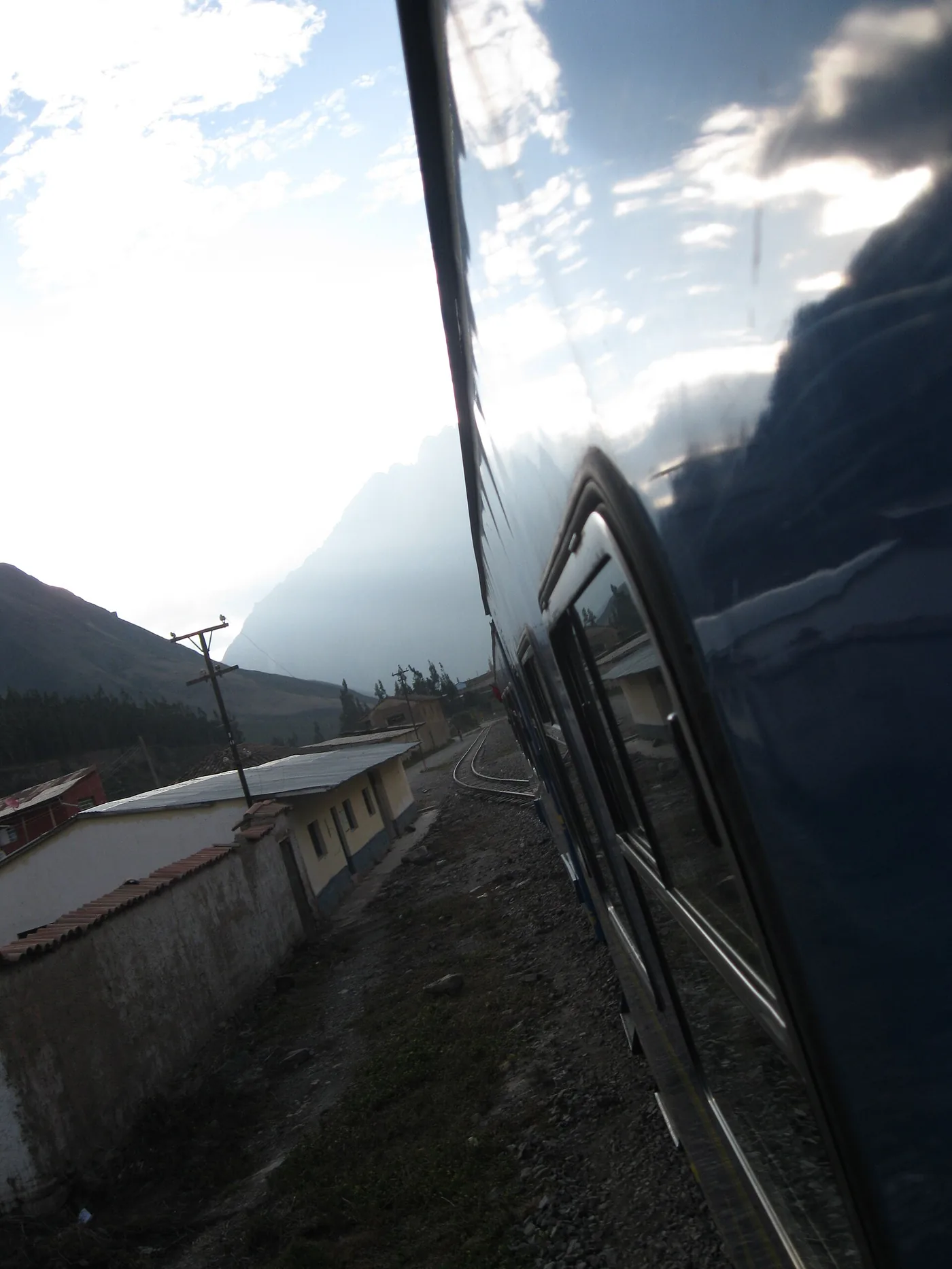
The train enforces its own limit before you even reach the gate. Large luggage stays behind, free of charge, at Ollantaytambo or Machu Picchu station.
What changes by region
A normal two-week trip crosses three climates. This is what actually changes between them.
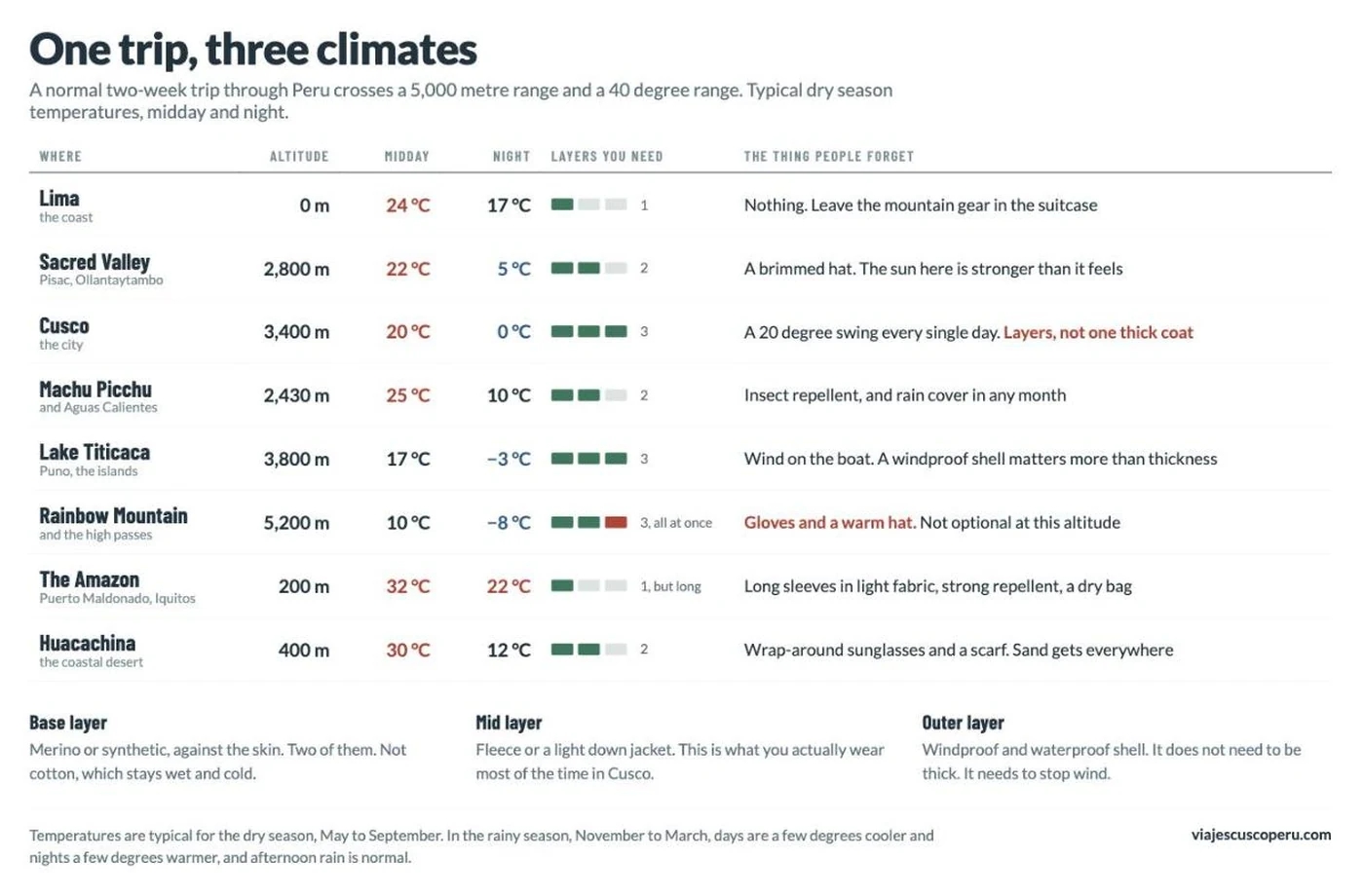
Lima and the coast. Sea level, mild, grey for much of the year. A light jacket is enough. Nothing you packed for the Andes is needed here.
Cusco, the Sacred Valley and the high Andes. The layer system, plus the sun kit. Add the warm hat and gloves if your itinerary includes Rainbow Mountain, Humantay Lake or a 4,000 m pass, where the morning start is genuinely cold.
Nazca, Ica and Huacachina. Desert. Hot by day, cool at night, and sand that gets into everything. A buff or scarf and a bag you can close properly are worth more here than another sweater.
The Amazon. Around 30 °C with high humidity. Long light sleeves and long trousers, insect repellent, and clothes that dry. Nothing warm.
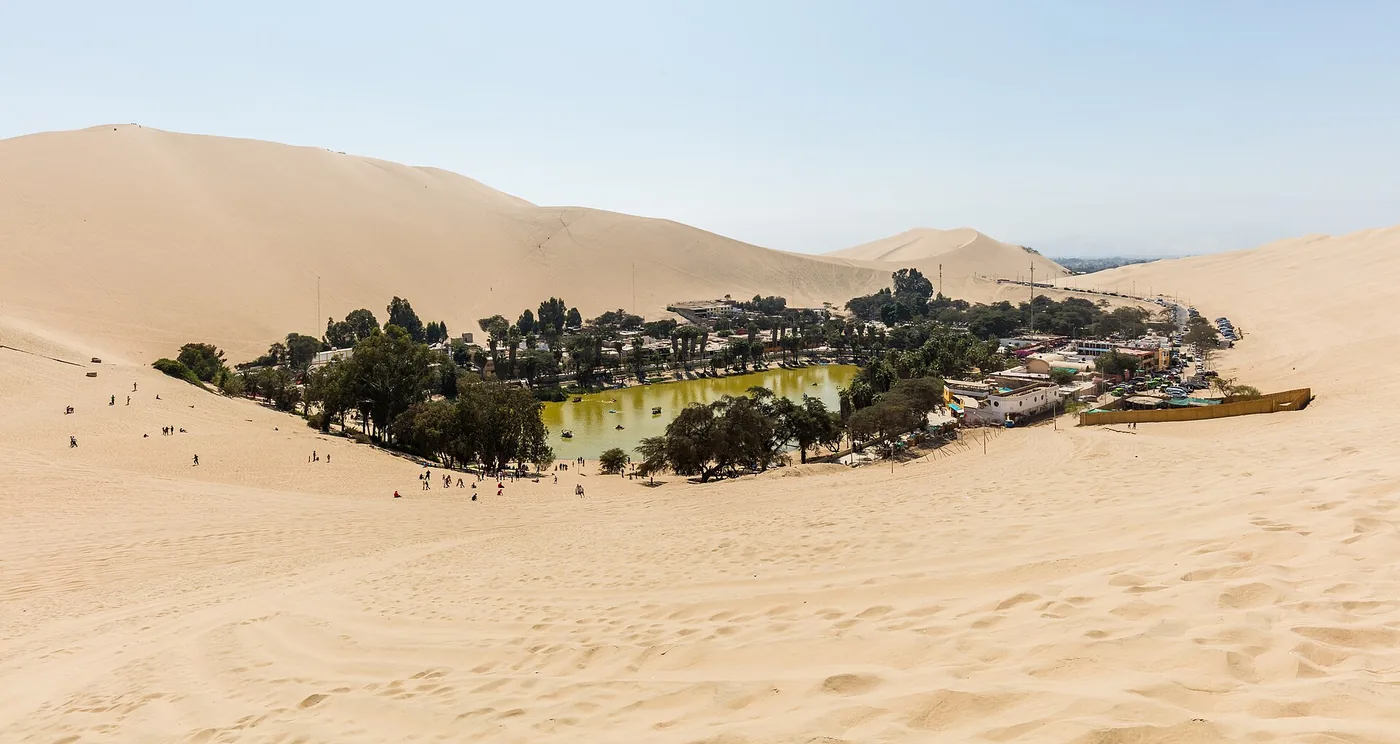
Huacachina, a few hours from Lima and a different planet from Cusco. Sand, not cold, is the problem here.
If you are trekking
On the Inca Trail, Salkantay and the other multi-day routes, your luggage splits in two. A duffel goes with the porters, with a weight limit your operator sets in advance, usually 5 to 7 kg including the sleeping bag. Everything else goes on your back, all day.
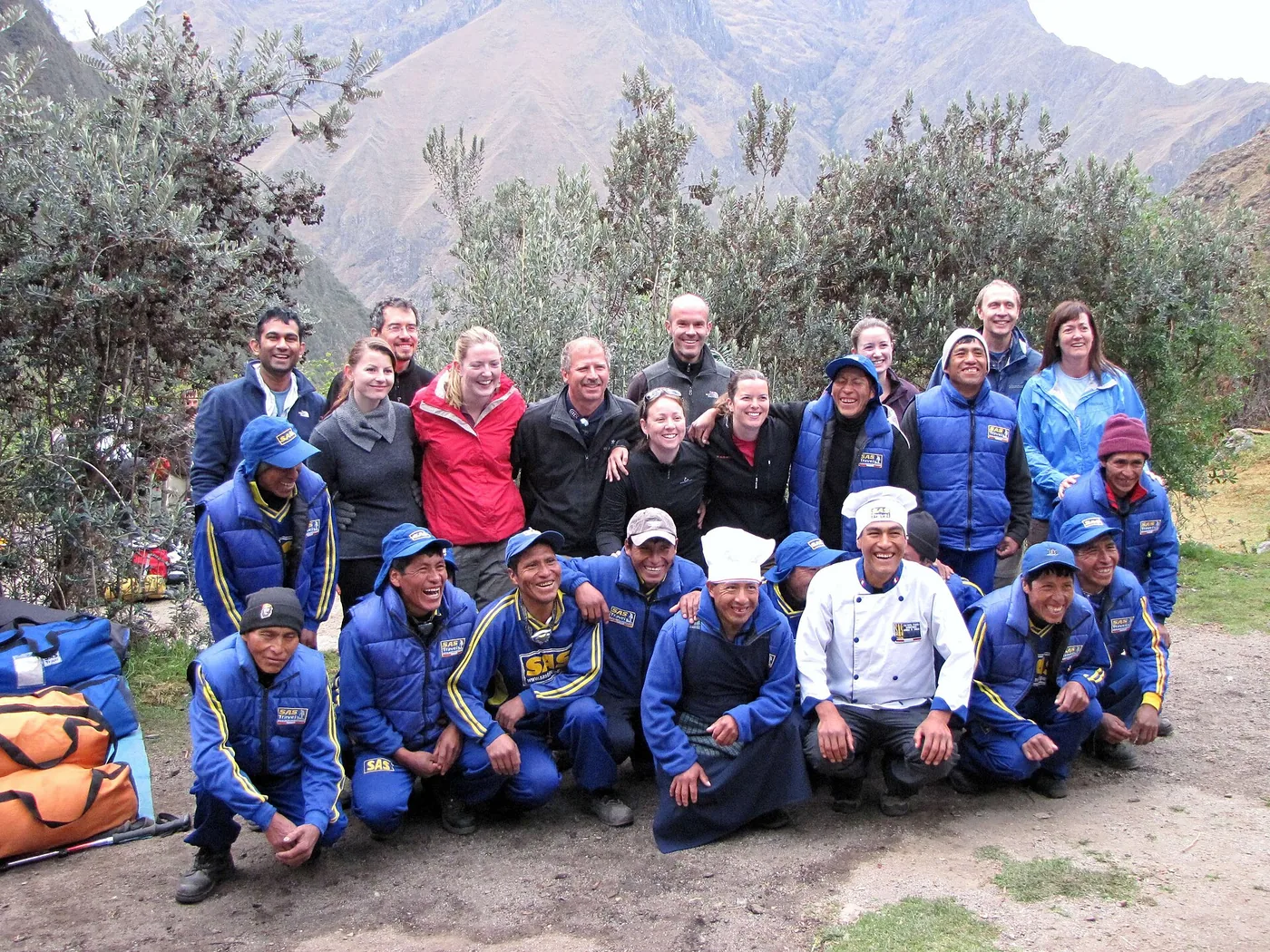
The porters carry the duffel, and the weight limit exists to protect them. Ask your operator for the exact figure before you pack.
What goes in the daypack, and only that: water, sun kit, rain jacket, snacks, camera, documents, and the layer you will want at the pass. On the Inca Trail the highest point is Dead Woman's Pass at 4,215 m, and it is cold and windy at the top even in a warm week.
Add for a trek:
- Sleeping bag rated to at least minus 5 °C, or rent one locally
- Trekking poles with rubber tips, which save your knees on the descents
- Quick-dry towel
- Wet wipes, since there are no showers on most of the route
- A second pair of shoes for camp, so your feet leave the boots
What to leave at home, and what to buy in Cusco
Leave the hairdryer, the heavy jeans, the third pair of shoes, the large hard suitcase and the drone. Jeans are the classic mistake: heavy, slow to dry, and cold when wet.
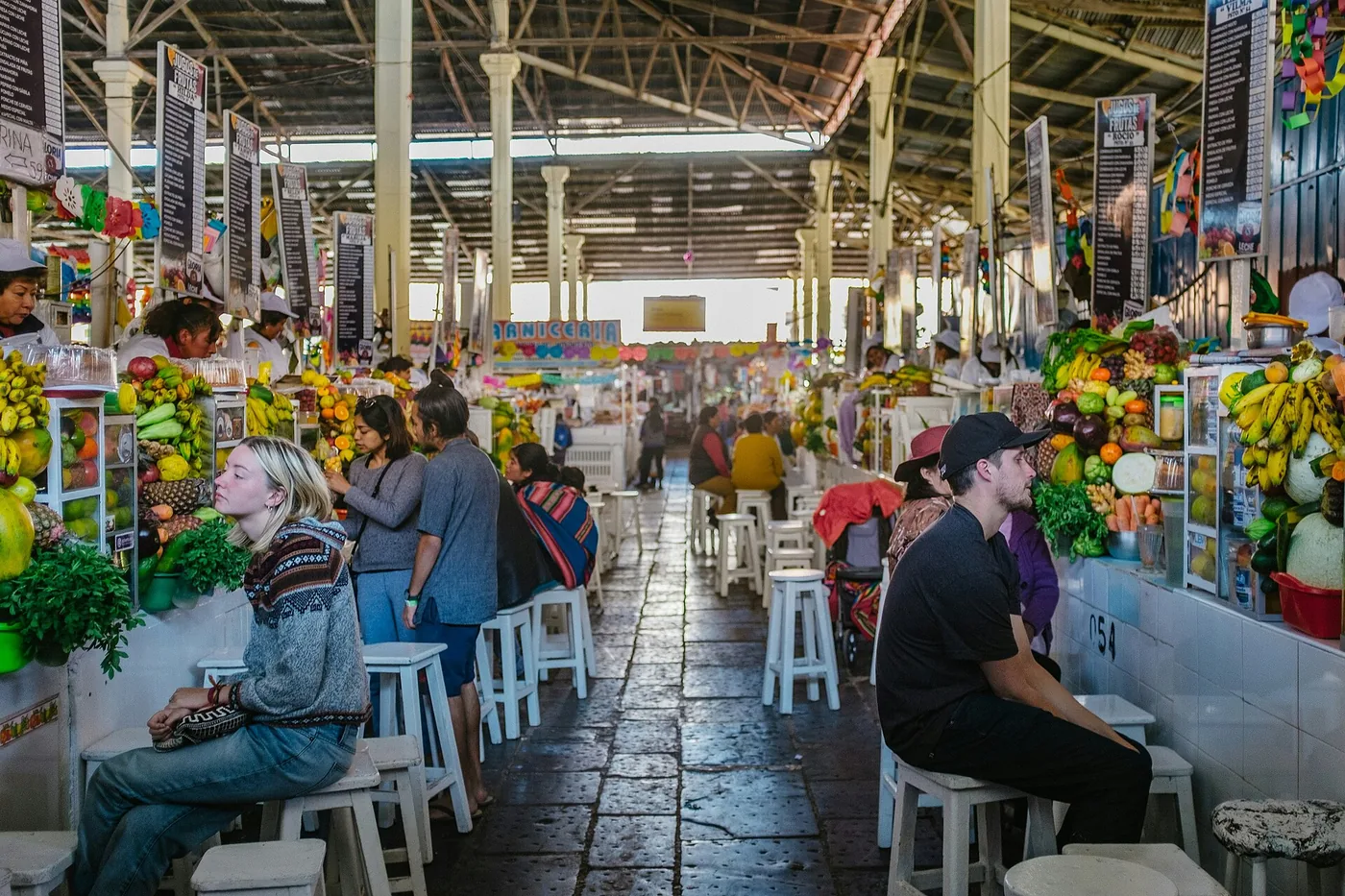
San Pedro market. Alpaca hats, gloves and scarves cost a fraction of what the same thing costs at home.
Buy in Cusco instead: alpaca hat, gloves, scarf and sweater, a poncho for the rainy season, coca tea, sunscreen if you run out, and a cheap duffel if you need one for a trek. Trekking poles and sleeping bags are widely available for rent, which is usually cheaper than flying them in.
Frequently asked questions
How big can my backpack be inside Machu Picchu? No larger than 40 x 35 x 20 cm. Anything bigger is refused at the gate, so plan a small daypack and leave the rest in Cusco or in the station storage.
How much luggage can I take on the train? One backpack of up to 8 kg and 100 linear cm, or one carry-on bag of up to 12 kg and 115 linear cm. PeruRail offers free storage at Ollantaytambo and Machu Picchu stations for anything larger.
Can I bring trekking poles to Machu Picchu? Walking sticks are listed among the prohibited items in the official code of conduct, along with umbrellas, tripods, monopods and selfie sticks. Plan to leave poles outside the citadel.
Do I need a sleeping bag if I am not trekking? No. Hotels in Cusco, the Sacred Valley and Machu Picchu Town provide bedding. A sleeping bag is only for camping treks.
What is the single most forgotten item? Lip balm with sun protection, followed by a head torch. Both are small, both matter more at altitude than people expect.
Should I pack differently for the rainy season? Yes. From November to March, add a properly waterproof jacket, a dry bag for electronics, and shoes you accept will get wet. The trails are greener and emptier, and also muddier.
Planning the trip that this list is for? Our Machu Picchu packages from Cusco run from a single day by train to six days with Humantay Lake, and the multi-day circuits are compared side by side by duration and price. If you are deciding between hiking in and taking the train, our guide on the Inca Trail compared with Salkantay goes through both. For the altitude itself, read how to acclimatise in Cusco.
Baggage limits checked against the PeruRail luggage policy and the official Machu Picchu code of conduct in September 2026. Rules change, so confirm with your operator close to your departure date.