A Peru Honeymoon: How Many Days, When to Go, and What It Costs
Eight days for Cusco and Machu Picchu, fifteen if you add Titicaca or Uyuni. Where to sleep so altitude does not cost you day two, and the Andean ceremony almost nobody knows about.
Peru is not a beach honeymoon. It is the other kind: the one where you come home with a shared story rather than a tan.
The country does that well, but it takes some planning, because the two things that make Peru spectacular, altitude and distance, are also the two things that ruin honeymoons when nobody accounts for them.
Here is how to build the trip so it stays romantic rather than exhausting.
Start with the shape of it
Three regions, and you cannot do all three properly in under ten days:
- Cusco, the Sacred Valley and Machu Picchu. The reason most people come. Five to seven days.
- Lake Titicaca, at 3,800 m, with the floating islands and Taquile. Two to three days.
- The Amazon, from Puerto Maldonado or Iquitos. Three to four days, and a complete change of climate.
A good first honeymoon in Peru is Cusco plus Machu Picchu in eight days, unhurried. A great one is twelve to fifteen days with Titicaca or the Amazon added.
Our Peru itineraries run from six to fifteen days, and the Peru and Bolivia programmes add the Uyuni salt flats, which is the single most photogenic place on this side of the continent.
Sleep low, walk slow
This is the one piece of advice that changes everything.
Cusco is at 3,400 m. The Sacred Valley is at 2,800 m. Machu Picchu is at 2,430 m. Flying into Cusco and staying in Cusco on the first night is the standard plan, and it is the reason so many couples spend day two in bed with a headache.
Do the opposite: land in Cusco, drive straight down to the Sacred Valley, and sleep there for the first two nights. It is 600 metres lower, warmer, greener and much quieter. You come back up to Cusco later, already acclimatised.
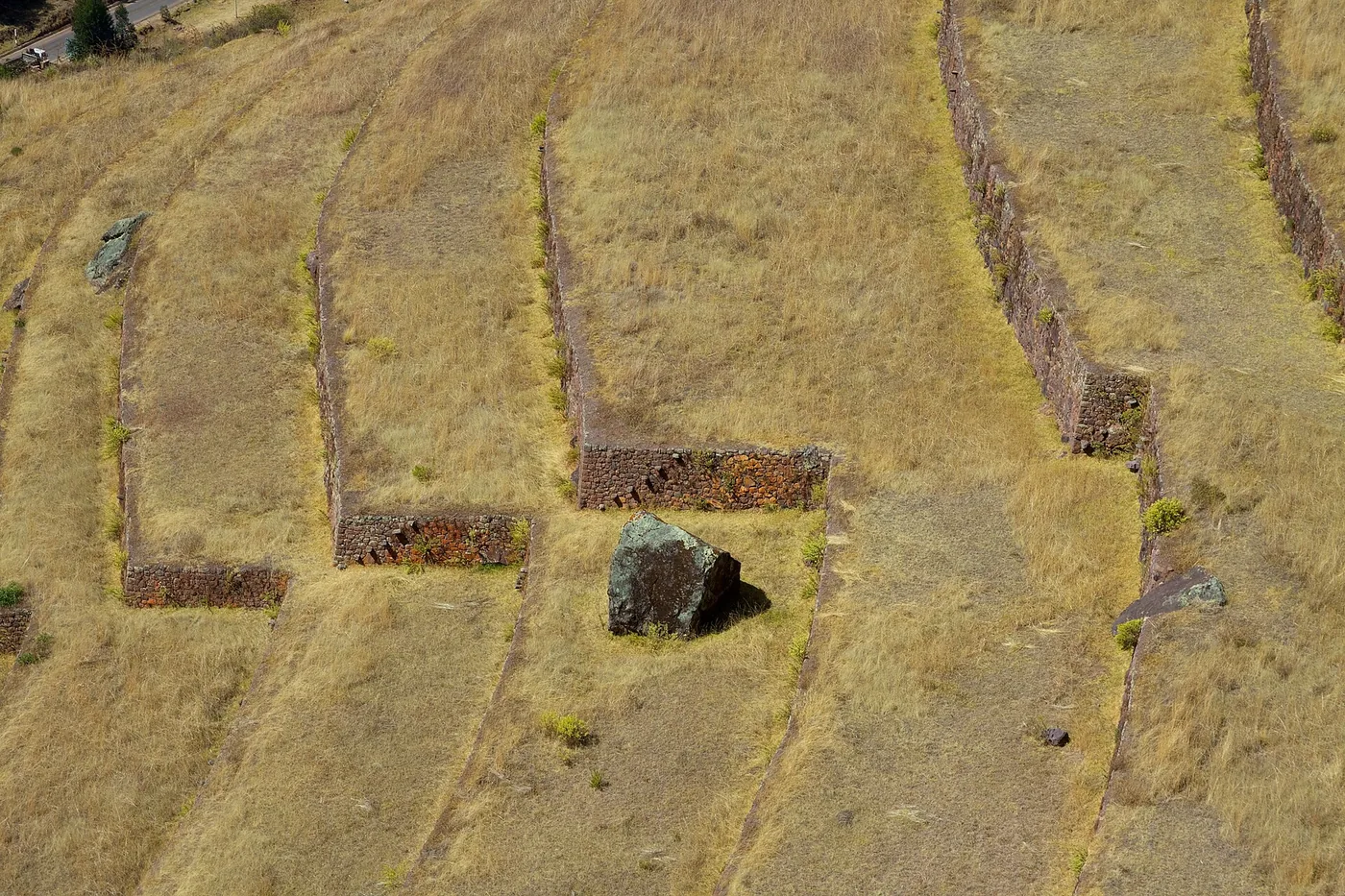
Pisac, in the Sacred Valley. Sleeping here rather than in Cusco on the first nights is the single best decision on a Peru honeymoon. Photo: McKay Savage, CC BY 2.0
The days that are worth the money
Machu Picchu, with two days instead of one
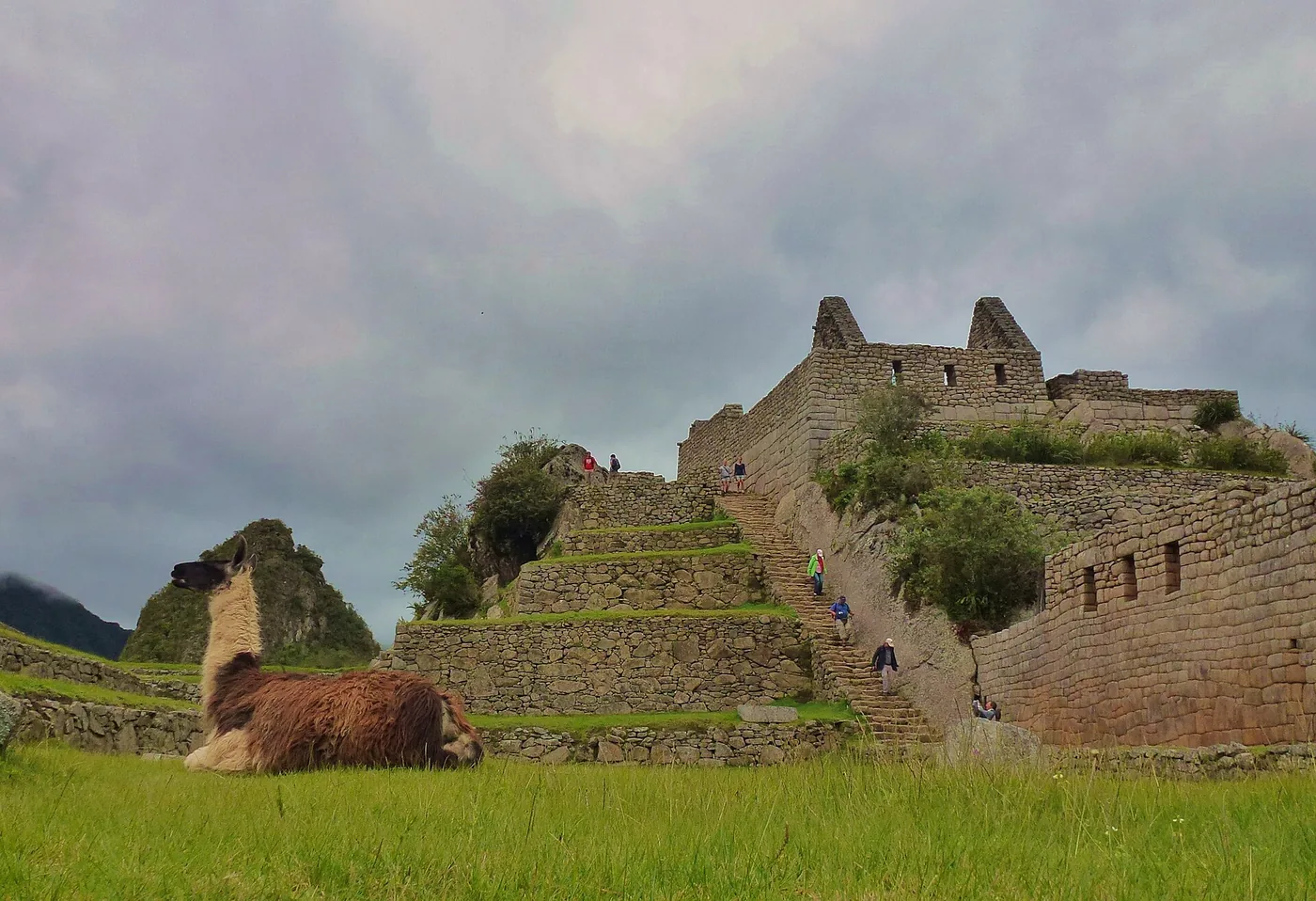
Going up in the first entry slot, before the day trains arrive, is a different place entirely. Photo: Pierre André Leclercq, CC BY-SA 4.0
Doing Machu Picchu as a day trip from Cusco means a 4 a.m. start and a 10 p.m. return. Sleeping in Aguas Calientes instead turns it into a calm two days and puts you at the gate in the first entry slot, when the site is quiet and the light is low.
The two-day train tour is built exactly that way.
The Sacred Valley, the VIP version
The standard Sacred Valley day is a bus, four stops and a buffet lunch with three hundred other people. The VIP version goes to Chinchero, Moray and the Maras salt pans in a small group, at a pace where you can actually stop.
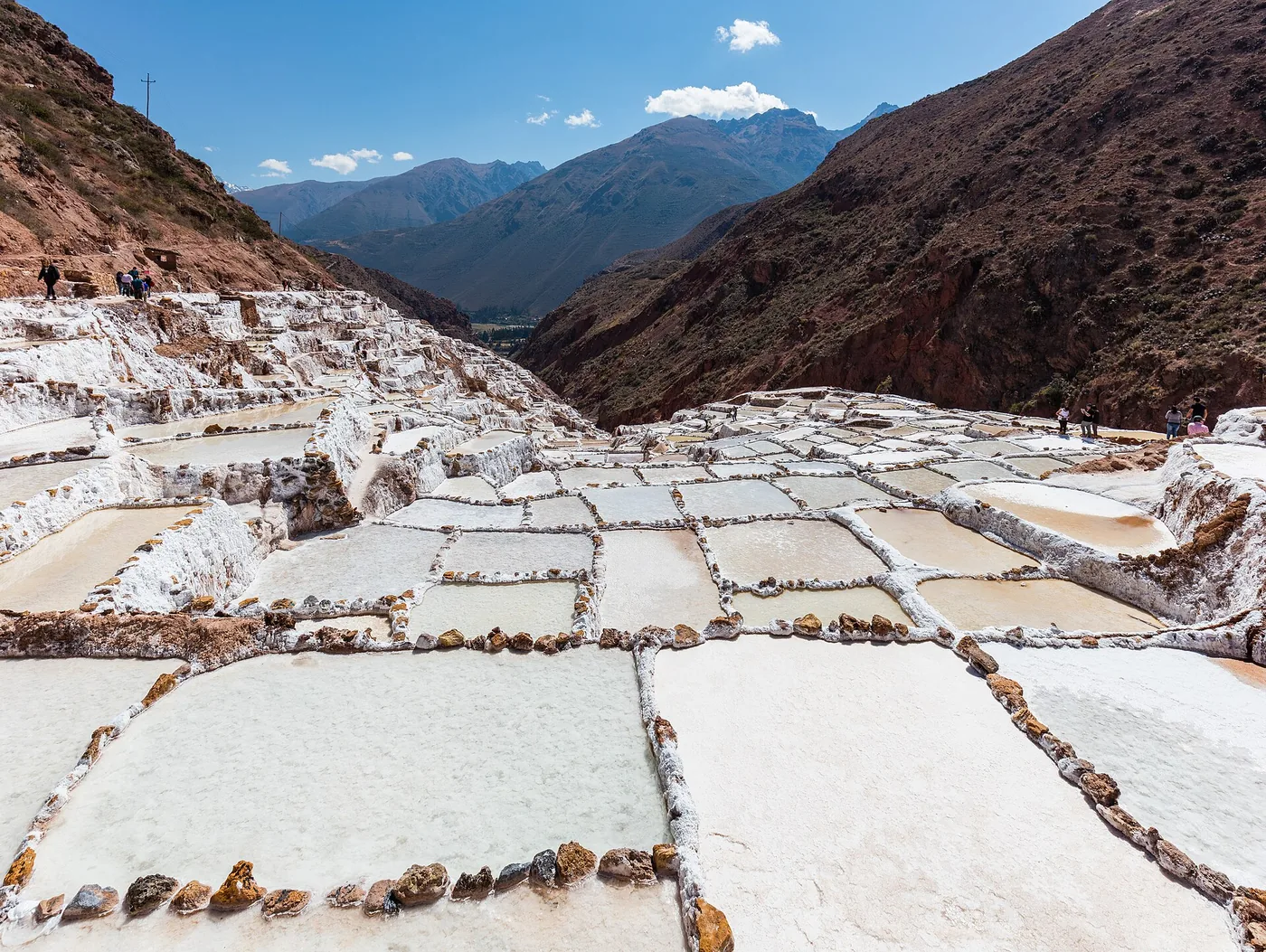
The Maras salt pans, worked by hand since before the Incas and still divided between local families. Photo: Diego Delso, CC BY-SA 4.0
Humantay Lake, if you both walk
A turquoise glacial lake at 4,200 m under the Salkantay glacier, reached by a steep hour and a half on foot. It is the most photographed place in Cusco after Machu Picchu, and it is a real climb, so only plan it after three or four days at altitude.
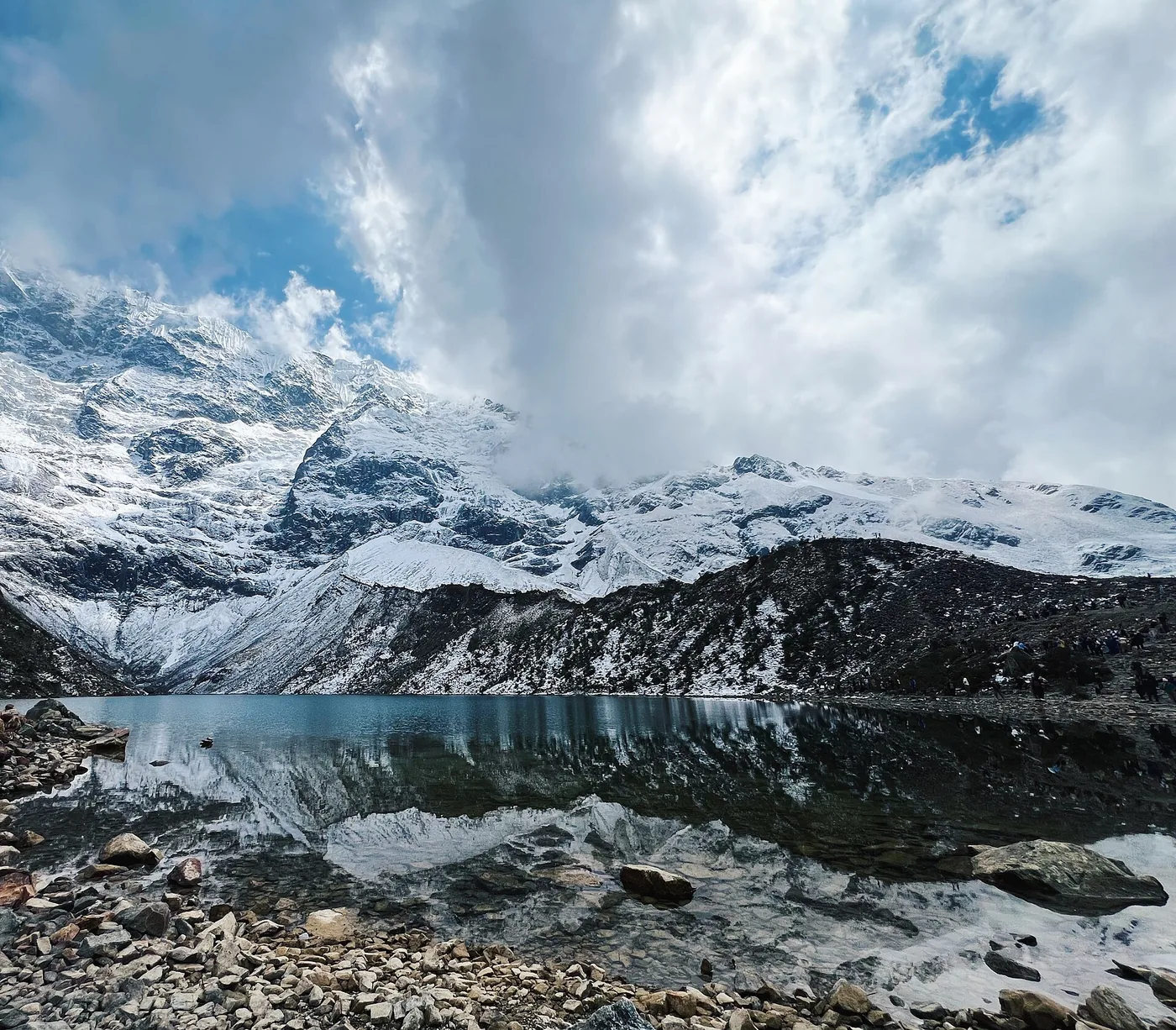
Humantay Lake at 4,200 m. Beautiful, and a genuine climb. Not for day two. Photo: Snow Writes, CC BY 4.0
See Humantay Lake.
Lake Titicaca and Taquile
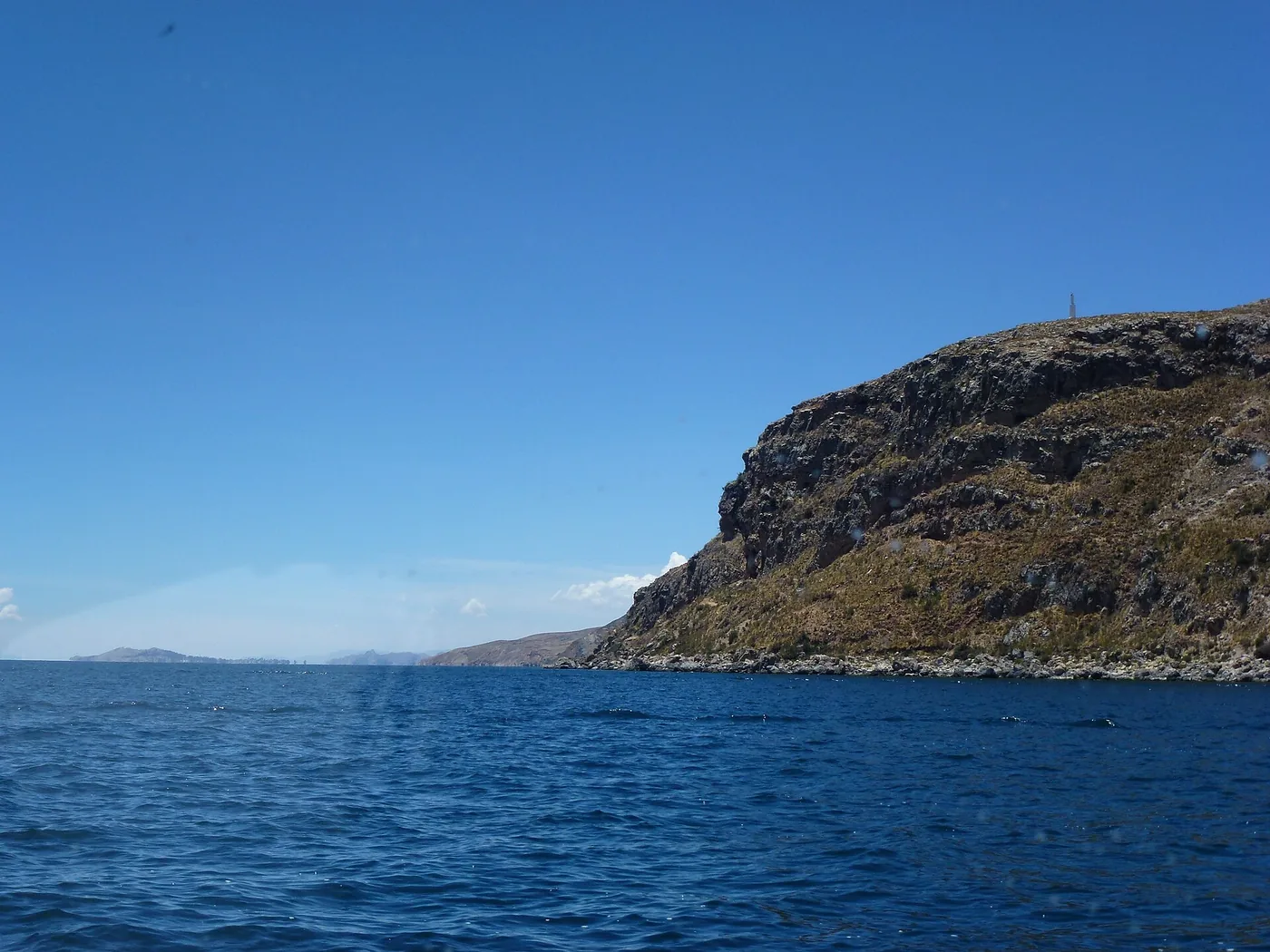
Taquile, where the textiles are made by the men and the knitting is on the UNESCO list. Photo: Pierre André, CC BY-SA 4.0
The Uros floating islands are built from reeds and moved when they rot. Taquile, further out, is a working island with no cars and no hotels of any size, where the weaving tradition is on the UNESCO intangible heritage list. A night in a family house there is the least touristic thing on this page.
An Andean ceremony instead of a photo shoot
Most honeymoon packages sell you a candlelit dinner. Peru offers something that does not exist anywhere else.
The Aymara baptism is a real ceremony, led by local paqos between Cusco and Puno, in which a couple is blessed in the Andean tradition, with offerings to the Pachamama and to the apus, the mountain spirits. It is not a show arranged for visitors. Couples do it as a blessing of their marriage.
Our Andean ceremonies run from five days (Cusco and Puno, US$917) to twelve days (the complete route, US$1,377), with the ceremony built into a full itinerary.
If you want one thing on this trip that nobody you know has done, it is this.
When to go
- May to September is the dry season, and the best time overall. Clear skies, cold nights, the most people
- April and October are the sweet spot: green from the rains, mostly dry, noticeably fewer visitors, lower prices
- November to March is the rainy season. Afternoon rain most days, dramatic light, the fewest tourists. The Inca Trail closes for all of February
- Late June is Inti Raymi in Cusco, which is spectacular and books out the city months ahead
For a honeymoon we usually suggest late April, May, September or early October. Full detail in our guide to the best time to visit Machu Picchu.
What it costs
Two people, excluding international flights:
- Eight days, Cusco, Sacred Valley and Machu Picchu, mid-range: around US$2,400 to US$3,200 for the couple
- Twelve days adding Lake Titicaca: around US$3,600 to US$4,800
- Fifteen days with Bolivia and the Uyuni salt flats: from US$6,100 for the two of you, based on our 15-day programme at US$3,057 per person
The variable that moves the number most is the hotel, not the tours. A honeymoon-grade hotel in the Sacred Valley costs three to four times a good standard one.
The mistakes that spoil it
Arriving in Cusco and going straight up a mountain. Give it two days. Rainbow Mountain at 5,200 m on day two is how honeymoons turn into clinic visits.
Booking the tightest possible connections. Domestic flights in Peru are frequently delayed. Never put your Machu Picchu entry time on the same day as a flight into Cusco.
Packing for one climate. Cusco is 20 °C at midday and near freezing at night. The Amazon is 30 °C and humid. You need both wardrobes.
Trying to see everything. Ten days is not enough for Cusco, Titicaca, the Amazon and Arequipa. Pick two regions and do them properly.
Leaving Machu Picchu tickets until you arrive. Entry is capped per circuit per day, and in high season it sells out weeks ahead.
Frequently asked questions
Is Peru a good honeymoon destination? Yes, if you want a trip built on landscape and culture rather than a resort. It works best over ten days or more, at a slow pace, with altitude planned for.
How many days do you need for a honeymoon in Peru? Eight days covers Cusco, the Sacred Valley and Machu Picchu without rushing. Twelve to fifteen adds Lake Titicaca, the Amazon or the Uyuni salt flats.
When is the best time for a honeymoon in Peru? Late April, May, September and early October. Dry enough, green, and far fewer visitors than June to August.
How much does a honeymoon in Peru cost? Around US$2,400 to US$3,200 for a couple over eight days in Cusco and Machu Picchu, excluding international flights. Fifteen days including Bolivia and Uyuni starts around US$6,100 for two.
Is altitude a problem for a honeymoon? It is the main thing to plan around. Cusco is at 3,400 m. Sleep in the Sacred Valley for the first two nights, keep day one light, and leave the 4,000 m and 5,000 m excursions for later in the trip.
Can you get married or have a ceremony in Peru? A legal marriage in Peru involves Peruvian paperwork and time. What couples usually do instead is an Andean blessing ceremony, the Aymara baptism, led by local paqos. We run it as part of five to twelve day itineraries between Cusco and Puno.
Is Peru safe for couples? Cusco, the Sacred Valley, Puno and the tourist areas of Lima are well used to visitors and are safe with normal city precautions. More detail in our guide to safety in Peru.